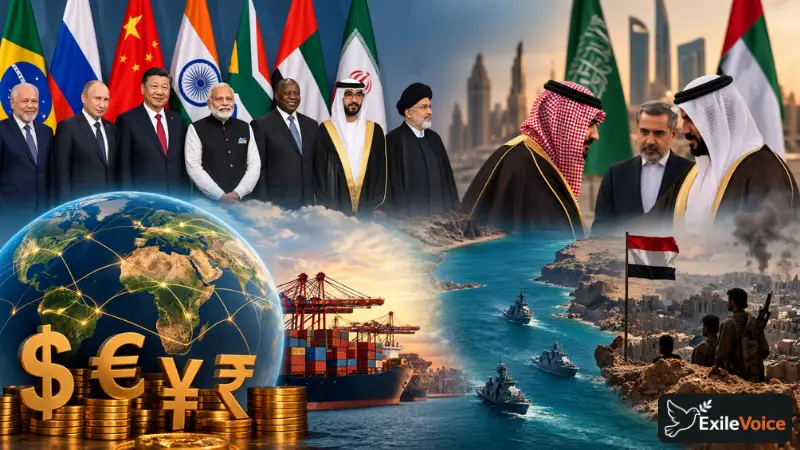
The current global political landscape is witnessing profound shifts, highlighted significantly by the recent BRICS summit hosted in India. Bringing together major international powers alongside an expanded roster of member and invited states, such as Iran and the United Arab Emirates, the summit serves as a pivotal forum for discussing alternative frameworks to Western-dominated economic and diplomatic structures. Observers note that these discussions aim to reduce reliance on the US dollar, foster trade in local currencies, and reshape global energy security.
Simultaneously, the Middle East remains a volatile theater of conflict and realignment. Recent reporting by major news outlets highlights the strategic complexities surrounding the Houthi movement in Yemen, the fall of key cities like Al-Mokha, and the critical importance of the Bab-el-Mandeb strait for international trade. The shifting military postures of regional powers, including the recalibration of ties between Saudi Arabia and the United Arab Emirates, underscore a broader struggle for influence. Analysts point out that diplomatic engagements on the sidelines of major international gatherings, such as discussions between Iranian and Emirati representatives, reflect a continuous recalibration of regional alliances and economic interests.