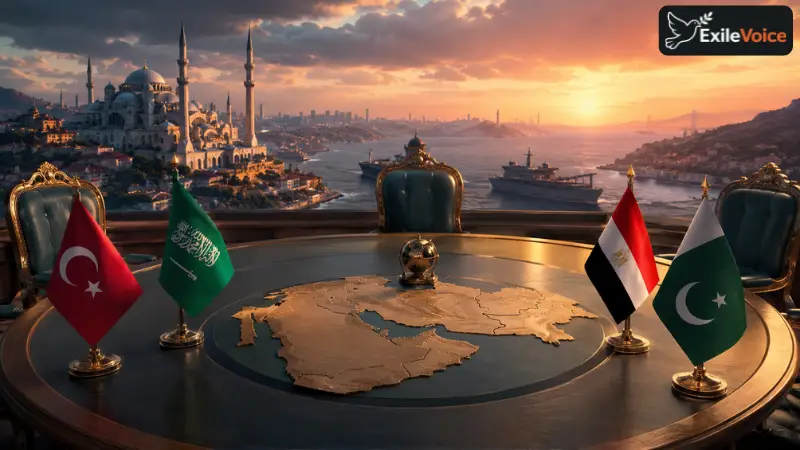
Recent diplomatic movements across the Middle East highlight a profound realignment of regional alliances, involving Turkey, Saudi Arabia, Egypt, and Pakistan. Ankara’s recent diplomatic summons involving high-ranking foreign policy officials underscores an urgent push to consolidate strategic cooperation and address divergent regional priorities. At the center of these discussions is the evolving architecture of Middle Eastern security frameworks, including the diplomatic integration of key Mediterranean and Red Sea actors.
Egypt’s potential incorporation into broader regional security frameworks remains a focal point of diplomatic friction and negotiation. While nations like Turkey view Cairo’s strategic positioning, particularly its control over the Suez Canal, as vital for regional stability, historical reservations persist among Gulf partners. Strategic concerns regarding past financial commitments, regional interventions, and alignment with competing geopolitical blocs have created a complex diplomatic maze.
Simultaneously, broader international negotiations involving major global powers and regional states continue to influence oil markets, security postures, and diplomatic channels. As traditional alliances undergo stress tests, middle powers are actively re-evaluating their diplomatic leverage. The outcome of these high-level consultations will shape maritime security, economic partnerships, and political stability across the Middle East and South Asia for years to come.