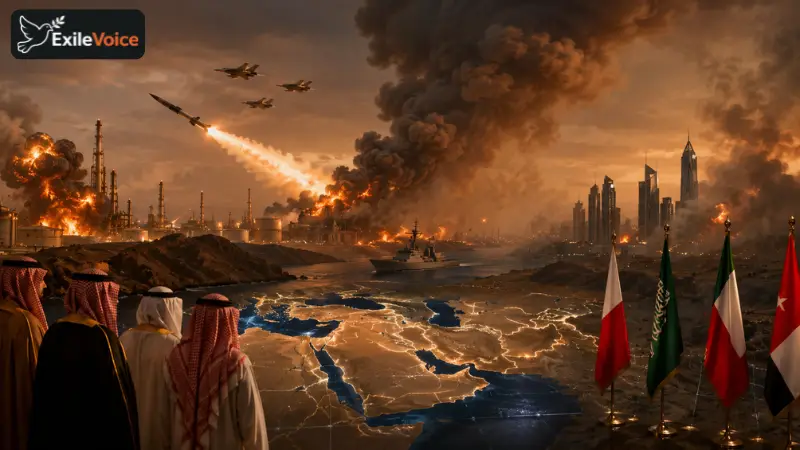
The geopolitical landscape in the Middle East continues to experience severe turbulence, marking a critical phase of escalation. Recent developments indicate an expansion of military actions involving various regional actors, drawing significant international attention. Reports have highlighted joint military operations attributed to regional forces, targeting strategic assets and logistics capabilities within Iran. These actions have triggered counter-responses, affecting key regional infrastructure and amplifying tensions across the Persian Gulf.
This military escalation has also exposed deep fissures within the Gulf Cooperation Council. While certain nations maintain diplomatic or backchannel communication conduits with Tehran, others have adopted a more confrontational posture aligned with broader international strategies. The resulting divergence complicates regional diplomacy, creating polarized alliances that challenge traditional frameworks of cooperation. Analysts note that these shifting alignments are reshaping security architectures across the Middle East, with implications extending far beyond the immediate theatre of conflict.
Compounding these regional strains are international policy maneuvers, including high-level diplomatic and economic frameworks designed to manage the crisis. However, critics argue that rushed diplomatic agreements often result in misalignments and strategic ambiguities, creating secondary repercussions for allied nations. As military expenditures rise and strategic vulnerabilities become more pronounced, the international community faces mounting pressure to address the structural drivers of this ongoing escalation before further regional destabilization occurs.