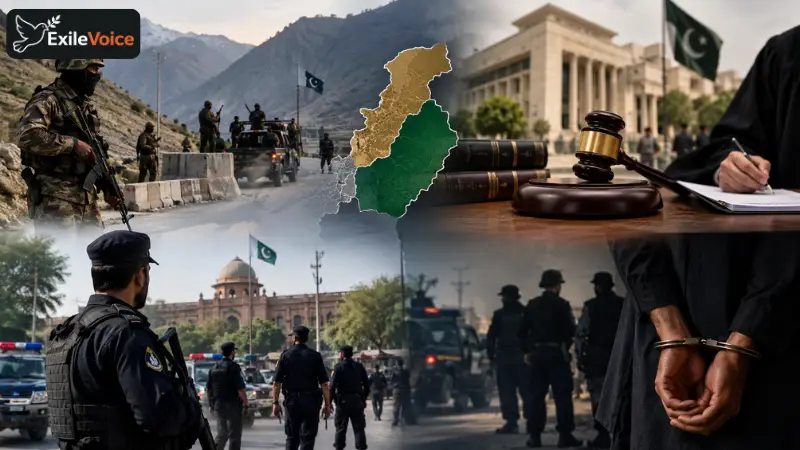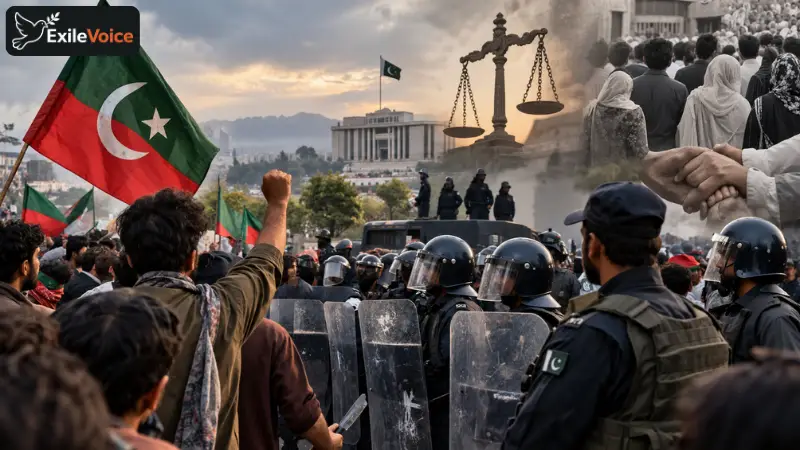
The intersection of grassroots political activism and law enforcement responses remains a critical determinant of stability across various regions. Recent events highlight heightened tensions between political workers and administrative authorities, leading to increased scrutiny of public demonstrations, police interventions, and civil liberties.
Analysts examining these developments emphasize that clashes between local party workers and law enforcement agencies often escalate existing political polarization. Incidents involving public gatherings, community grievances, and administrative containment strategies underscore the delicate balance required to maintain public order without infringing upon fundamental rights. Civil society organizations frequently call for transparency and accountability to prevent excessive use of force during political demonstrations.
At the same time, authorities maintain that security protocols are essential to curb potential unrest and safeguard public infrastructure. However, critics argue that heavy-handed measures frequently alienate local populations and deepen distrust between citizens and state institutions. Addressing these complex dynamics requires constructive dialogue, adherence to legal frameworks, and a commitment to upholding democratic norms at the grassroots level.