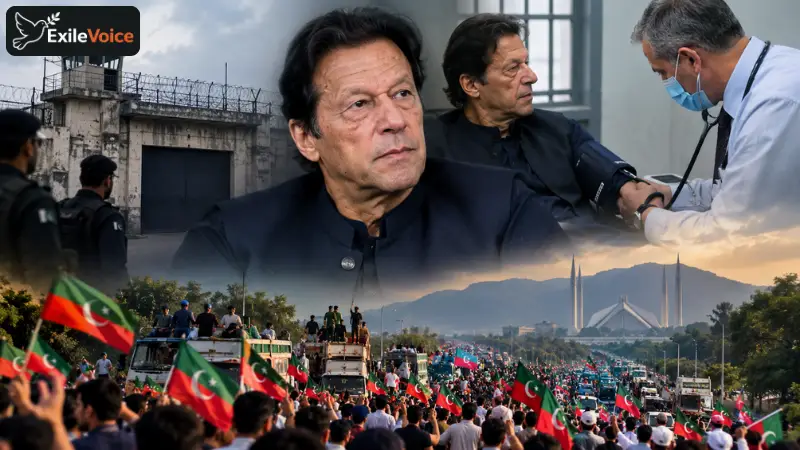
The geopolitical and domestic political landscape of Pakistan has escalated into a intense standoff following significant developments surrounding former Prime Minister Imran Khan’s health and incarceration at Rawalpindi's high-security Adiala Jail. Tensions surrounding Khan’s physical condition reached a critical threshold after reports surfaced confirming that a UK-practicing physician was brought in to perform an extensive two-hour medical evaluation inside the penitentiary. This medical visit, coinciding directly with the third day of the Pakistan Tehreek-e-Insaf (PTI) political movement and long march, has catalyzed widespread debate regarding state transparency, medical access, and the broader institutional stability of the country.
According to political observer and former advisor Dr. Shahbaz Gill, the arrival of a London-based medical specialist to examine the jailed former premier highlights serious underlying concerns regarding Khan's physical wellbeing, particularly fluctuating blood pressure and managed clinical regimens. For months, Pakistan's opposition leaders, international human rights watchdogs, and Khan's immediate legal representatives have voiced concerns over his prolonged isolation, restrictive prison conditions, and delays in providing independent medical consultations. The secret consultation by a UK-credentialed physician was reportedly arranged after persistent fluctuations in Khan's systemic blood pressure levels raised alarms among his medical team.
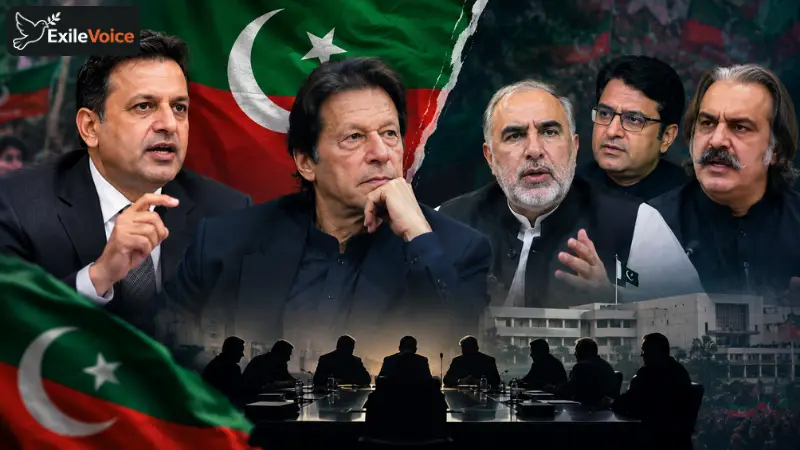
The disclosure of this prolonged meeting in Adiala Jail arrives at a crucial political juncture. PTI's long march, characterized by massive public mobilizations, road blockades, and political rallies originating across Khyber Pakhtunkhwa and heading toward the national capital of Islamabad, has intensified pressure on the coalition administration led by Prime Minister Shehbaz Sharif. The government, under severe economic and administrative strain, has repeatedly attempted to de-escalate the crisis through public offers of dialogue. However, political analysts observe that negotiations remain deadlocked due to deep-seated mistrust between the establishment and opposition figures who demand immediate constitutional relief and unconditional medical access for Khan.
Beyond the immediate medical details, the controversy underscores the political sensitivity of high-profile political prisoners in South Asia. State authorities have historically limited external access to political leaders in custody, citing official procedures, security risks, and administrative protocols. Yet, the involvement of an international physician breaks standard administrative norms, indicating that public pressure and potential diplomatic scrutiny may have forced government institutions to concede to an independent clinical evaluation. While official government sources maintain that full medical protocols are being adhered to within the jail facility, the opposition views the presence of external specialists as confirmation that Khan’s healthcare needs were previously neglected.
Furthermore, the timing of the two-hour consultation has catalyzed intense speculation regarding potential behind-the-scenes negotiations between political brokers and key state actors. Analysts note that during periods of heightened civil movement, medical consultations for prominent detainees often serve as crucial channels for direct communication or health-based political concessions. Whether this medical evaluation signals the start of a humanitarian compromise or merely a tactical de-escalation effort by the ruling government remains a central point of analysis as public demonstrations continue across major transportation corridors.
As the political stalemate deepens, the intersecting dynamics of medical access, judicial oversight, and mass political mobilization will determine the stability of the current political regime. The revelation of the UK doctor's visit has fundamentally shifted the political narrative from procedural prison updates to a national debate on political rights, health transparency for incarcerated leaders, and the limits of state control during widespread civil protest.