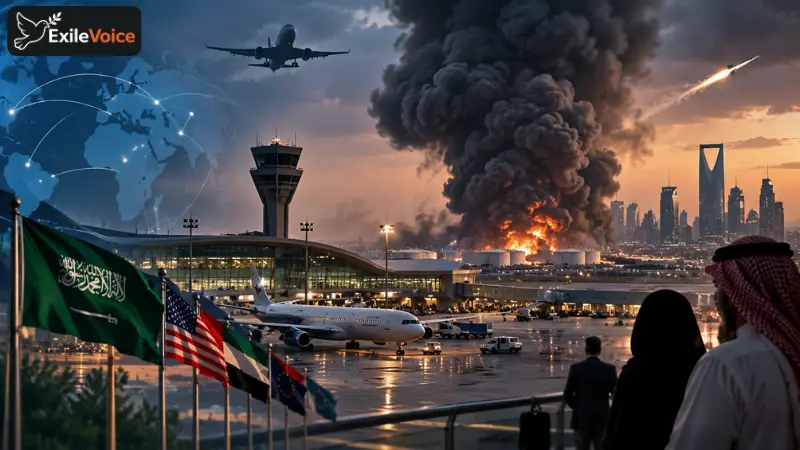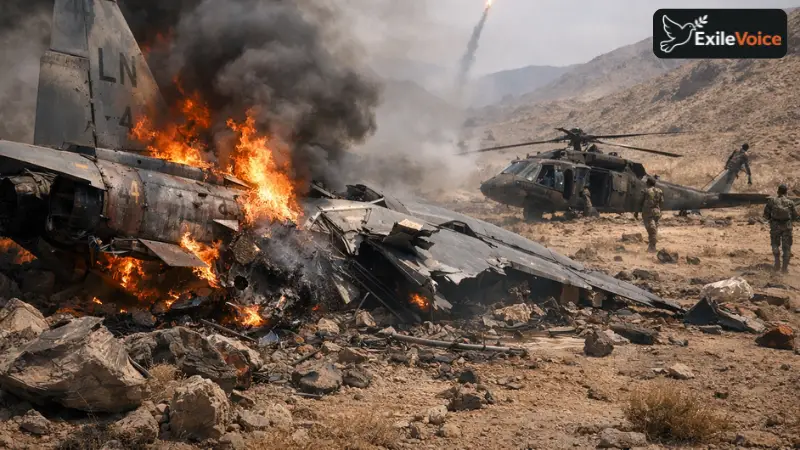
The recent escalation between the United States and Iran has reached a critical juncture following reports of multiple U.S. aircraft being downed over Iranian territory. While Iranian state media claims the destruction of five aircraft, U.S. sources have officially acknowledged the loss of two aircraft and two helicopters. This development directly contradicts recent assertions by the U.S. administration that Iranian air defense systems had been neutralized.
The strategic implications of these losses are profound. Among the reported downed craft is the F-15E, a dual-role fighter designed for long-range interdiction. There have also been unconfirmed reports regarding the F-35, the Pentagon's most advanced fifth-generation stealth fighter. The loss of such high-value assets represents not only a tactical setback but a significant blow to the perceived invincibility of Western aerospace technology. If an F-35 was indeed neutralized, it could impact future defense contracts and the global demand for the platform, similar to the market shifts observed after the French Rafale faced combat challenges.
The human element of this escalation adds further complexity. While one pilot was successfully rescued in the Strait of Hormuz after an A-8 crash, search operations remain active for others. Iran has reportedly incentivized its civilian population to aid in the capture of downed pilots, turning a military engagement into a high-stakes search-and-rescue crisis. This situation has forced President Trump to remain in the White House Situation Room for extended briefings, highlighting the severity of the crisis.