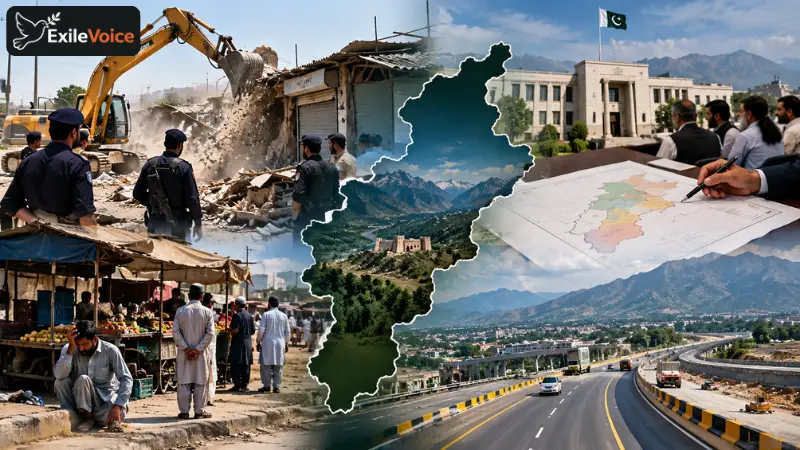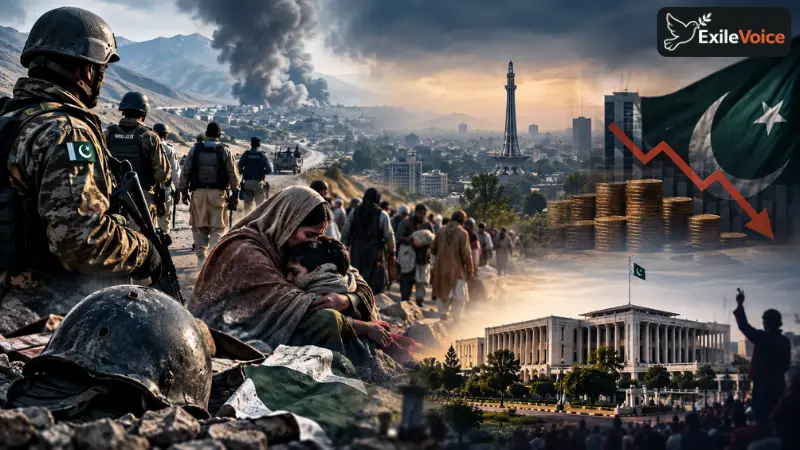
Evaluating the quantitative and qualitative consequences of the past twenty-five years of conflict provides a sobering perspective on the challenges faced by Pakistan's security and civil sectors. Recent findings compiled by peace research institutes and policy think tanks indicate that the nation has experienced tens of thousands of casualties, extensive military operations, and recurring internal security crises since the onset of the global war on terror. The distribution of these casualties highlights a heavy burden borne by urban law enforcement personnel, local populations, and provincial security forces, particularly in border regions.
Beyond the human cost, the economic repercussions of prolonged security instability have significantly constrained national growth. Historical economic indicators show periods of temporary expansion tied to foreign assistance inflows, contrasted with prolonged periods of fiscal pressure, constrained GDP growth, and historical lows in press freedom and governance metrics. The structural reliance on external financial support and international lending mechanisms has hindered the development of a self-sustaining economic foundation.
Furthermore, the domestic political sphere has frequently reflected the turbulence of these security paradigms. Clashes between state directives and political movements, civil liberties restrictions, and institutional friction have compounded the difficulties of achieving sustainable democratic consolidation. Addressing these deeply entrenched structural issues requires a critical reassessment of national security doctrines, prioritizing long-term internal stability, economic self-reliance, and the strengthening of constitutional governance over short-term transactional alignments.