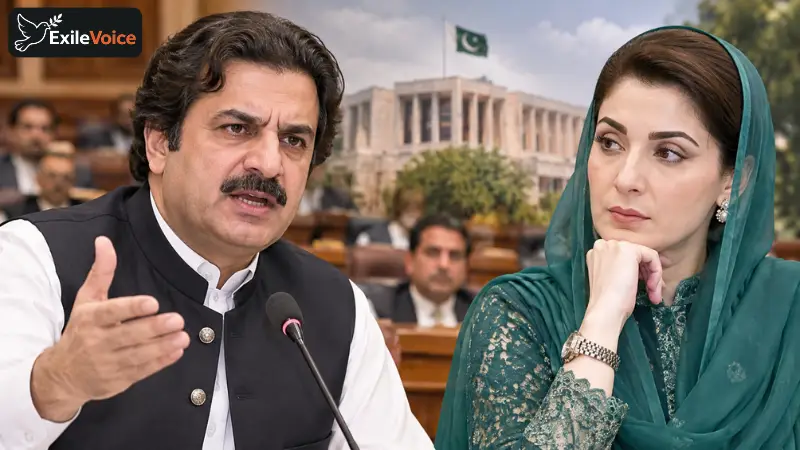

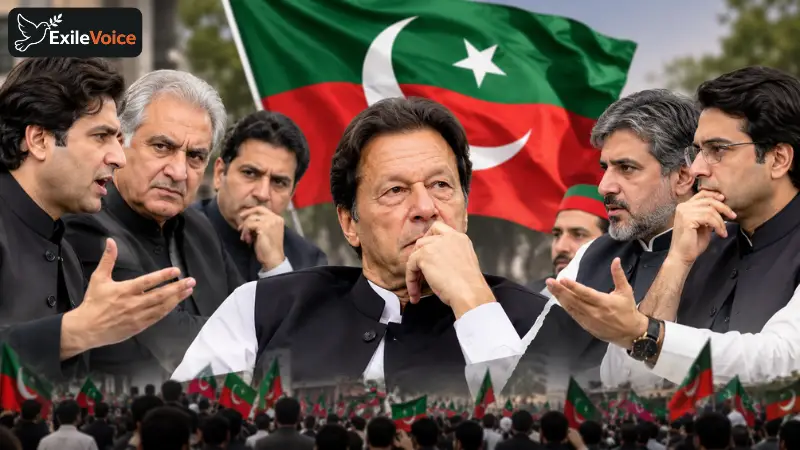
Recent statements made by senior political figures have brought internal debates within Pakistan Tehreek-e-Insaf into sharp focus. Party leadership is currently grappling with differing viewpoints regarding engagement with state institutions and the overarching strategy for navigating ongoing political pressures. While one faction advocates for sustained resistance and adherence to the core stance established by leadership, another group suggests exploring negotiated compromises to secure political relief and address mounting institutional challenges.
This divergence in philosophy highlights broader questions concerning party governance, decision-making authority, and the representation of incarcerated leaders. Observers note that these internal discussions reflect deep-seated complexities in managing a major political movement under restrictive conditions. Furthermore, public commentary from party officials regarding unauthorized delegations and external interactions underscores the delicate balance required to maintain organizational cohesion amidst external pressures. The discourse surrounding these strategic choices continues to shape the future trajectory of the party and its relations with broader governance frameworks.