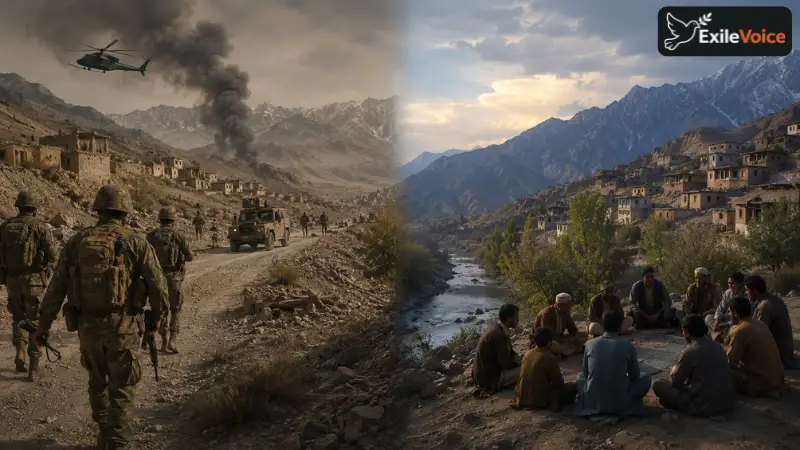
The security situation in the tribal and border regions of Pakistan remains a critical concern, marked by ongoing military operations and security incidents. Reports from local observers regarding security sweeps and aerial incidents highlight the severe human and economic toll on local populations, including civilian casualties and disruptions to livelihood. These developments emphasize the persistent friction between federal security strategies and local governance structures in regions affected by counter-terrorism measures.
A notable policy disconnect exists between regional administrative leadership and broader political platforms regarding the management of security operations. While political leadership has historically advocated for localized dialogue and political engagement rather than kinetic interventions, implementation at the provincial level often lacks cohesive legislative and institutional pushback. Observers note that the absence of structured political resistance or unified policy responses from regional authorities leaves local populations vulnerable to recurring security crises.
Addressing these security challenges requires a synchronized approach that bridges the gap between central security mandates and regional political accountability. Without comprehensive consensus and transparent legal frameworks governing security actions in sensitive areas, the cycle of friction between state policies and local populations is likely to persist.