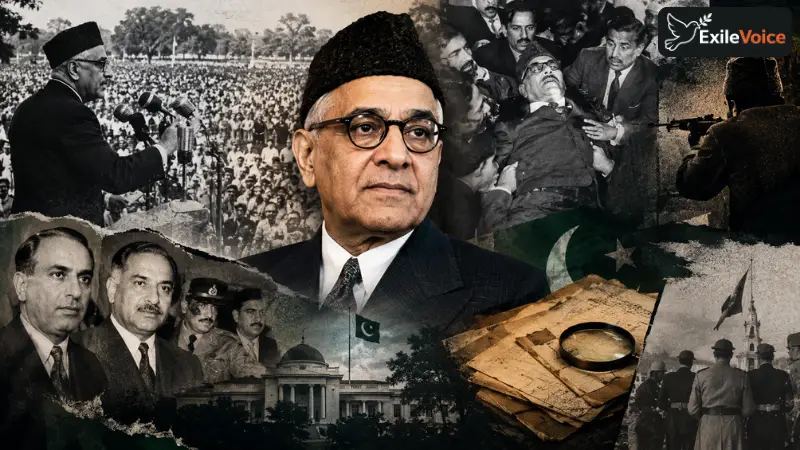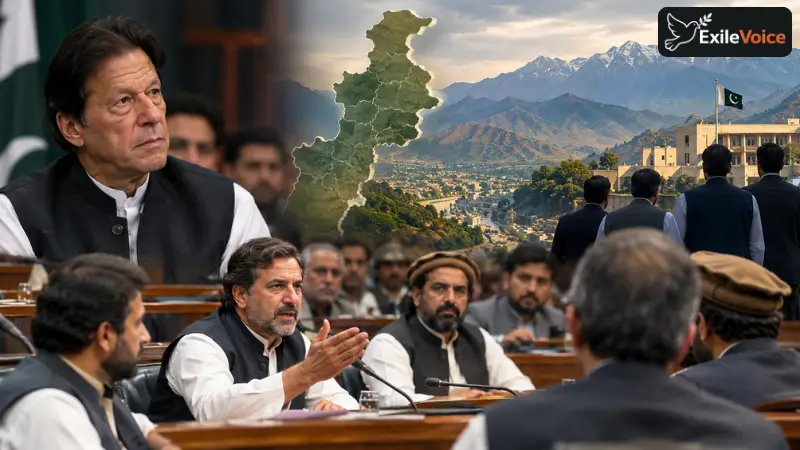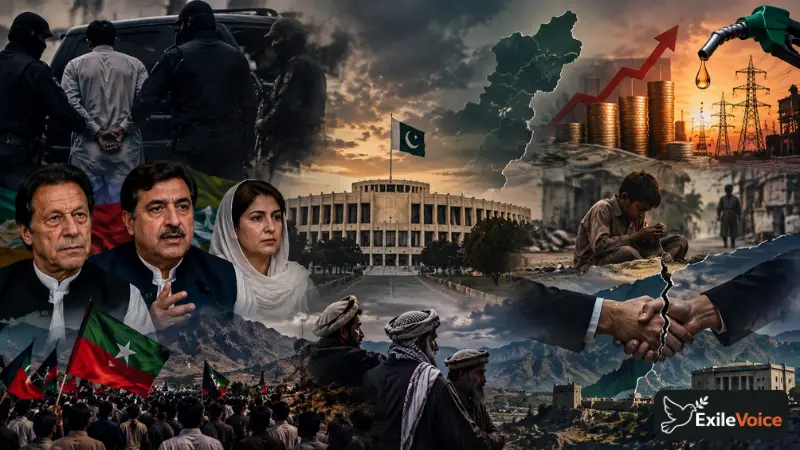
The political landscape in Pakistan has experienced severe turbulence, marked by institutional friction, high-profile abductions, and intense regional friction. Following the declaration of emergency measures and subsequent political maneuvering, key provincial leadership figures in Khyber Pakhtunkhwa, including the chief minister, parliamentary speaker, and minority representatives, have faced prolonged disappearances without formal legal processing. Legal challenges filed in the Peshawar High Court have highlighted systemic failures, with even legal representation facing targeted intimidation.
Economic indicators remain a central point of contention. Regional comparisons underscore severe socioeconomic challenges, including elevated poverty rates, high unemployment, soaring inflation, and substantial energy and petroleum costs relative to neighboring South Asian nations. While administration officials point toward international financial engagement and stabilization metrics, critics and opposition figures maintain that economic pressure on the populace has reached unprecedented levels.
At the same time, regional political alliances are shifting. Prominent nationalist leaders from Balochistan and Khyber Pakhtunkhwa have voiced strong opposition against federal policies, framing resource distribution and administrative control as systemic marginalization. These developments signal a widening political rift between federal authorities and provincial leadership, compounding institutional instability and public discontent across the country.