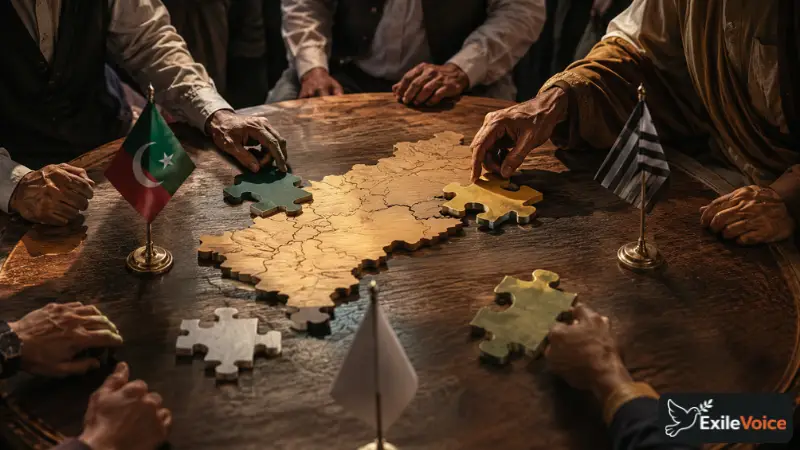
Recent political developments in Khyber Pakhtunkhwa have brought potential electoral realignments into sharp focus. Reports indicating prospective seat adjustments between Pakistan Tehreek-e-Insaf and Jamiat Ulema-e-Islam Fazl (JUI-F) for upcoming elections mark a significant shift from historical rivalries. Historically, PTI gained substantial ground in the region by positioning itself as a direct political alternative to traditional religious and secular parties, securing a formidable mandate by challenging established political practices.
Analyzing this potential cooperation reveals complex strategic implications for the regional political landscape. While proponents may view cross-party coordination as a tactical maneuver to navigate a challenging political environment, critics argue it risks diluting the core ideological narrative that initially resonated with the regional electorate. Voters who supported PTI did so largely in opposition to the established practices of rival groups. Introducing collaborative frameworks with former political adversaries could complicate voter loyalty and reshape grassroots support.
Concurrently, other political entities are recalibrating their approaches. Jamaat-e-Islami has announced its intention to contest future elections independently, seeking to project a distinct ideological identity. This multi-layered dynamic suggests that the political terrain in Khyber Pakhtunkhwa is undergoing structural adjustments influenced by both regional calculations and broader national pressures. As political actors position themselves for future electoral contests, maintaining ideological coherence while pursuing tactical alliances remains a critical challenge for leadership at all levels.