
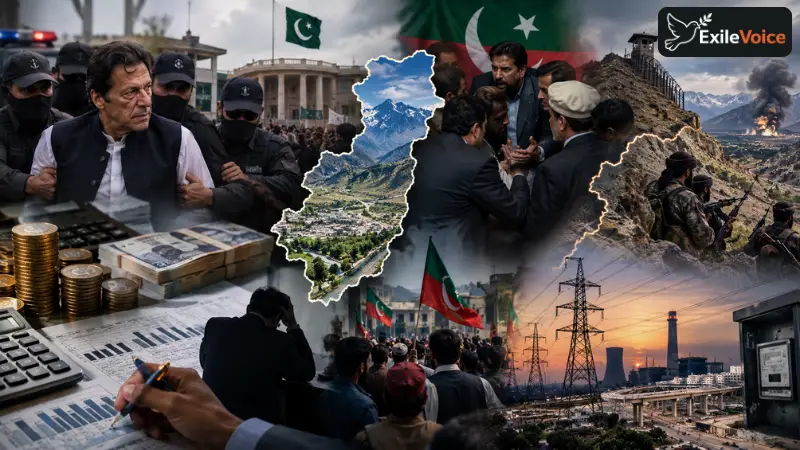
The political landscape of Pakistan is experiencing a profound governance crisis, highlighted by the mounting tensions and institutional maneuvers surrounding the province of Khyber Pakhtunkhwa. Following a period of provincial emergency declarations and political disruption, leadership figures have faced severe pressure, leading to detentions and enforced disappearances. Critics point out that concepts such as protective custody lack legal grounding in domestic jurisprudence, often resembling arbitrary preventive detention rather than lawful governance. This institutional overreach has created deep fractures within political organizations, notably the Pakistan Tehreek-e-Insaf party, where infighting and internal divisions have complicated collective resistance against state actions.
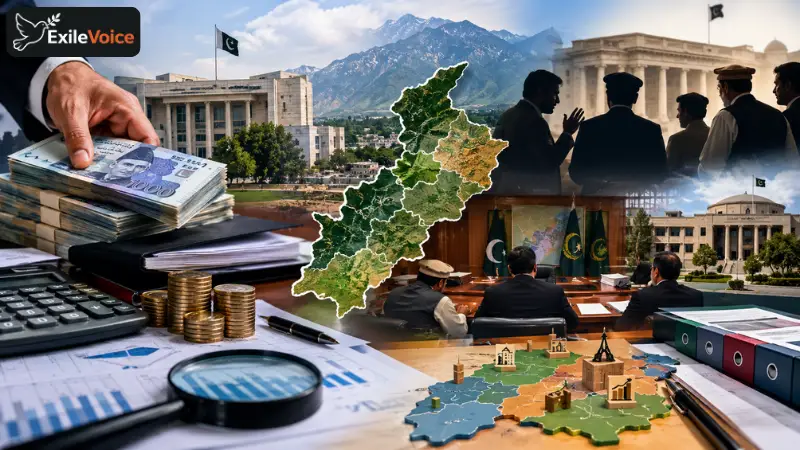
Financial transparency and resource distribution have further exacerbated tensions between the federal government and provincial authorities. Former provincial finance and health ministers have published detailed economic assessments alleging substantial fiscal discrepancies and systemic resource deprivation affecting Khyber Pakhtunkhwa. According to these disclosures, billions of rupees in withheld funds, unadjusted revenue deficits, and neglected population adjustments stemming from historical census data have heavily burdened the regional economy. Furthermore, federal policies regarding infrastructure control, privatization of power distribution companies, and energy subsidies threaten to increase utility costs for citizens already grappling with severe economic hardship.
Beyond domestic political friction, security dynamics along the western border have deteriorated significantly. Intelligence and strategic analyses indicate that conflicts involving regional militant factions have evolved into complex proxy warfare. The security situation involving neighboring Afghanistan has grown increasingly volatile, with cross-border hostilities escalating beyond traditional skirmishes. International think tanks and foreign policy observers suggest that regional strategic realignments and historical security policies have culminated in unprecedented diplomatic strains, leaving the federal administration struggling to maintain stable bilateral relations and internal security.