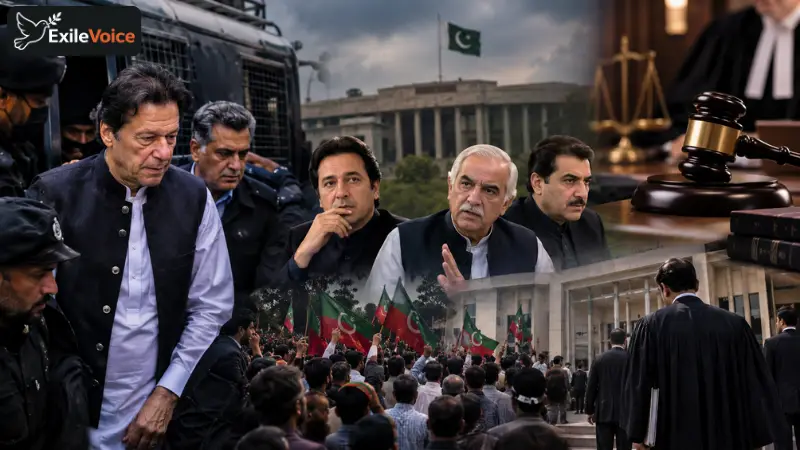
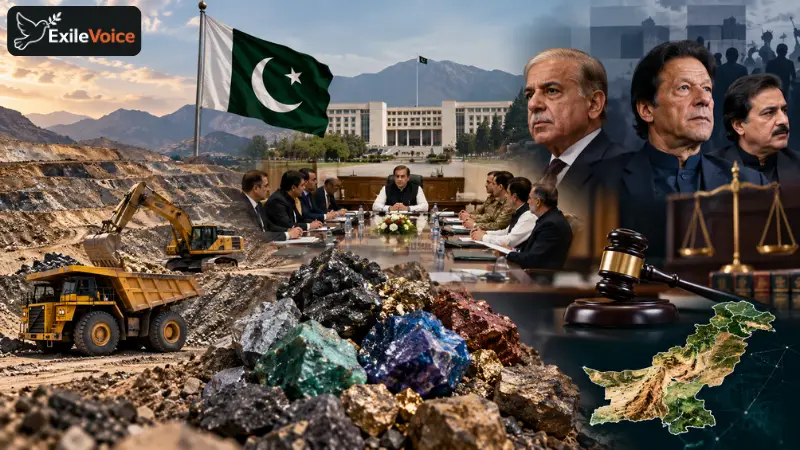
The geopolitical landscape of South Asia remains a focal point for international observers, regional analysts, and policymakers. Pakistan sits at a crucial crossroads of internal political restructuring and external diplomatic maneuvering. Recent developments underline deep structural challenges within the domestic political arena, involving key stakeholders such as the military establishment, major political parties like Pakistan Tehreek-e-Insaf, and the federal leadership. Observers note that systemic institutional pressures continue to shape governance models, economic stability, and civil-military relations. At the same time, regional security dynamics involving neighboring states, broader Middle Eastern developments, and great power competition heavily influence strategic calculations in Islamabad. Analysts emphasize that sustainable political reform and economic resilience require transparent institutional frameworks, adherence to constitutional norms, and constructive dialogue among all domestic factions. Addressing these complex multifaceted challenges is vital for ensuring long-term stability, fostering investor confidence, and securing a peaceful trajectory for the wider region.
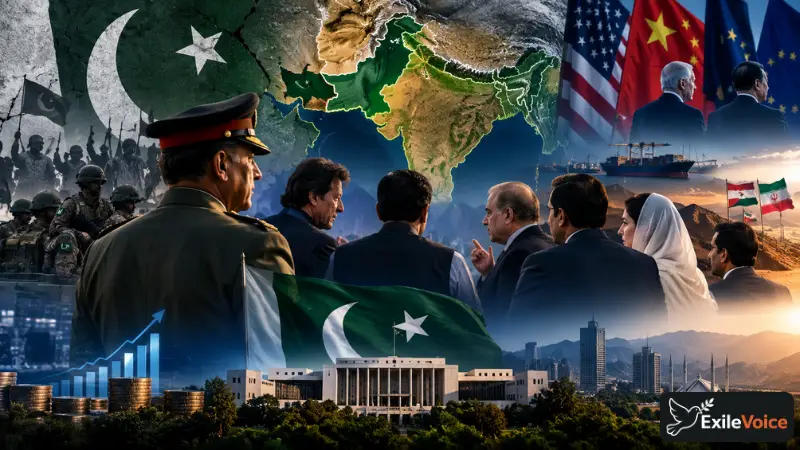
Navigating Pakistan Political Turmoil and Geopolitical Shifts in South Asia
AI Quick Read
- Examination of current domestic political restructuring and institutional friction involving key political and military stakeholders in Pakistan.
- Analysis of the broader regional security environment, including diplomatic relations and strategic positioning in South Asia.
- Assessment of the critical need for structural governance reforms, constitutional adherence, and economic stabilization measures.