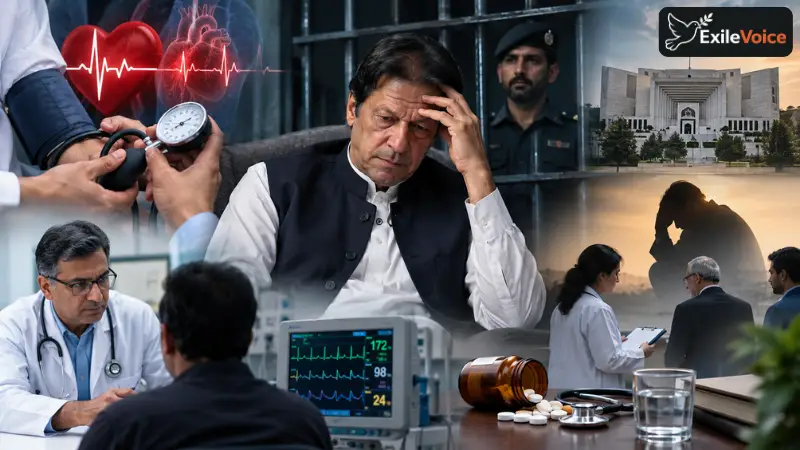
Recent commentary regarding high-profile political figures and detainees in Pakistan has drawn national focus back to the critical issue of cardiovascular health, hypertension management, and medical access within political and legal environments. High-stress political operational schedules, combined with legal scrutiny and custodial challenges, create severe physical strain on political leadership. Medical parameters such as blood pressure are sensitive to acute psychological anxiety, irregular sleep patterns, lack of medication continuity, and intense environmental pressure. When blood pressure spikes severely beyond normal thresholds, immediate and specialized medical interventions become essential to avoid life-threatening cardiac or neurological events.
In complex political cases, the inclusion of independent medical experts, including international and UK-trained health practitioners, becomes pivotal to ensuring balanced and objective clinical evaluations. Specialized physicians emphasize that hypertensive crises require rigorous, round-the-clock monitoring, diagnostic cardiovascular testing, and controlled therapeutic interventions. When patients exhibit uncontrolled hypertension accompanied by secondary physiological symptoms, clinical guidelines dictate prompt transfer to specialized healthcare facilities equipped with advanced emergency care capabilities. Providing transparent medical assessments helps alleviate public anxiety and prevents misinterpretation regarding a patient actual physical condition.
The intersection of health management and high-stakes political proceedings presents complex administrative challenges for relevant authorities. Legal frameworks in Pakistan establish explicit rights regarding medical care for individuals in custody, guaranteeing access to qualified clinical specialists and necessary diagnostic procedures. Failure to address severe medical conditions promptly introduces significant liability and legal complications for legal institutions and law enforcement agencies. Ensuring that detainees receive comprehensive medical care, independent clinical diagnosis, and proper treatment plans aligns with international humanitarian guidelines and constitutional protections.
To properly mitigate extreme cardiovascular risks associated with acute psychological stress, medical systems must implement structured wellness protocols for high-stress individuals under legal custody. Regular blood pressure monitoring, tailored pharmaceutical intervention, stress management techniques, and dietary regulation form the foundation of clinical care for hypertensive patients. Promoting institutional transparency surrounding medical evaluations builds credibility, protects individual rights, and ensures that health considerations remain prioritized over political dynamics during volatile legal situations.