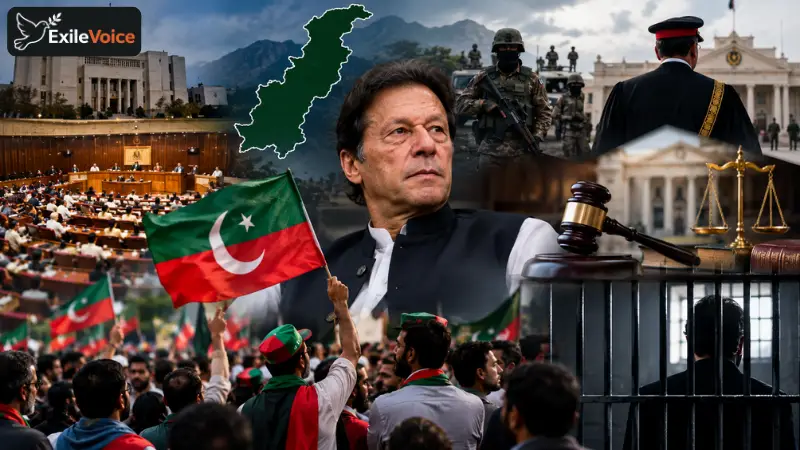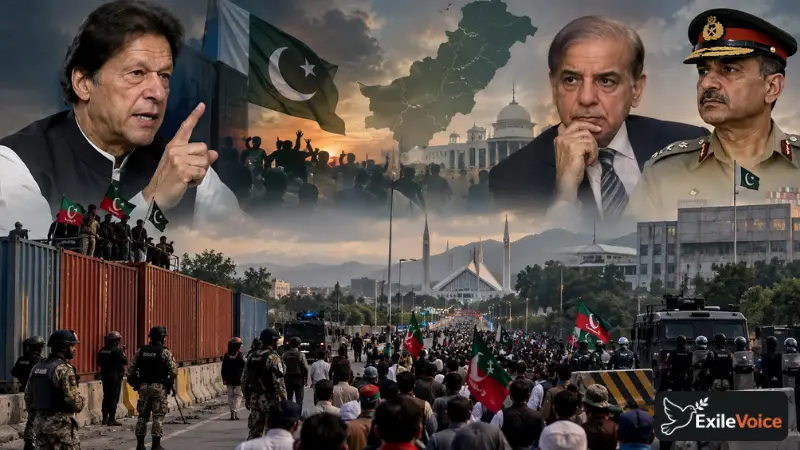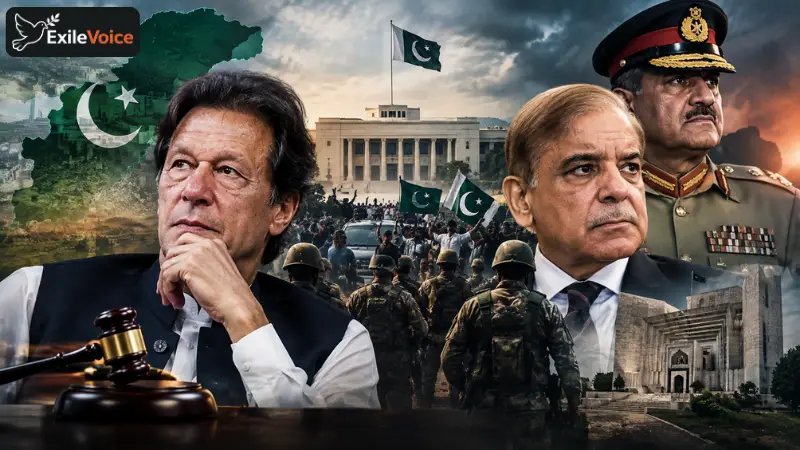
The political landscape in Pakistan has reached a critical juncture as the opposition party, Pakistan Tehreek-e-Insaf (PTI), prepares for mass demonstrations. Islamabad has effectively transformed into a fortified enclave, dubbed by local commentators as "Containerabad," due to the extensive placement of shipping containers across primary thoroughfares to suppress movement. In an unprecedented move to prevent road clearances, authorities have filled these containers with sand, signaling extreme measures by the state apparatus to maintain control.
The physical lockdown is matched by digital and operational measures. Telecommunication authorities issued orders to suspend 3G and 4G mobile internet services across key sectors, while Section 144 banning public assemblies has been enforced rigorously. Upward of 22,000 police personnel, alongside military contingents, have been deployed in strategic areas including Peshawar and Islamabad. Despite these state resources, the political momentum surrounding 72-year-old former Prime Minister Imran Khan remains potent, raising fundamental questions about the balance of power between popular political movements and the establishment.
A significant point of friction involves official communications issued by military media outlets. Public surveys released via official Inter-Services Public Relations (ISPR) channels highlighted potential disruptions to citizens, businesses, schools, and emergency medical access caused by the protest marches. However, critics point out that the immediate physical blockades, school closures, and transportation halts were initiated by state security apparatuses themselves rather than the demonstrators.
Political tensions are further exacerbated by targeted detentions of provincial leadership. Khyber Pakhtunkhwa (KP) Chief Minister Sohail Afridi addressed his cabinet regarding the arrest and alleged abduction of multiple provincial ministers, including Fazal Shakoor. Afridi cautioned against political actions that risk isolating KP from the rest of the country, drawing parallels to historic governance failures and reiterating national unity. The widespread circulation of regional language media clips, particularly in Pashto from areas such as Swabi, Dera Ismail Khan, and Zhob, highlights deepening ethno-political divides as provincial leadership accuses central authorities and intelligence agencies of overreach.
The political opposition has responded by deploying artificial intelligence and digital strategy. AI-generated voice cloning and video messages of Imran Khan continue to disseminate from Adiala Jail, appealing directly to law enforcement personnel to uphold constitutional boundaries. Simultaneously, international advocacy groups have intensified their focus. CAGE International officially designated Imran Khan as a "prisoner of conscience," amplifying international pressure alongside advocacy from Khan's sons, Kasim and Sulaiman Khan, and Jemima Goldsmith regarding family security concerns.