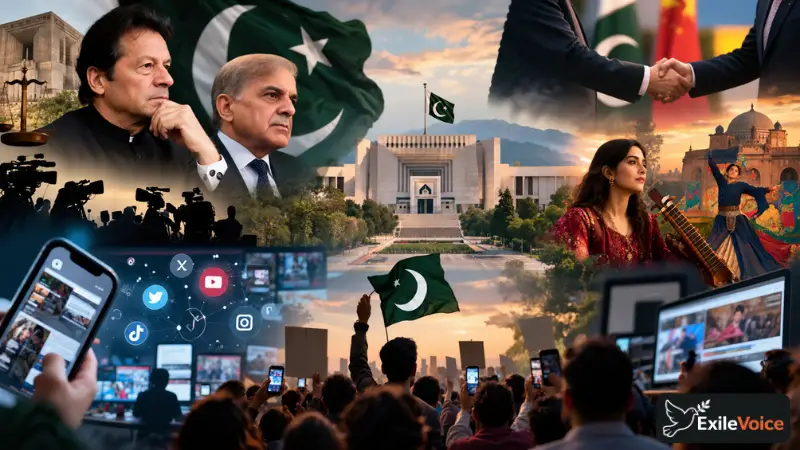
The intersection of politics, media narratives, and cultural milestones forms a complex landscape in contemporary South Asia. Recent developments highlight the deep connection between political maneuvering and public discourse, particularly concerning high-profile figures, international diplomatic engagements, and internal party realignments. Political analysts continuously monitor how digital media campaigns, artistic ventures, and leadership assertions shape public opinion and influence policy directions.
A prominent focus remains on the evolving strategies of political actors navigating challenging institutional frameworks. Observers note that leadership styles within major political factions are undergoing visible shifts, prompting speculation about future alliances and internal dissent. At the same time, cultural diplomacy and artistic collaborations often serve as subtle indicators of broader societal moods, bridging gaps where official diplomatic channels face friction. These cultural projects reflect the shifting preferences of audiences who increasingly consume media that mirrors their socio-political realities.
Furthermore, public reactions to these developments demonstrate a heightened level of civic engagement. Citizens utilize digital platforms to organize movements, voice grievances, and demand institutional accountability. This dynamic creates an environment where traditional political hierarchies must constantly adapt to grassroots pressures. The interplay between institutional decisions, media commentary, and public participation ensures that the political narrative remains fluid and unpredictable.
As the region moves forward, the ability of political entities to manage internal cohesion while addressing public expectations will determine their long-term viability. Analysts emphasize the necessity of transparent governance, constructive dialogue, and a balanced approach to media representation to foster a stable political environment.