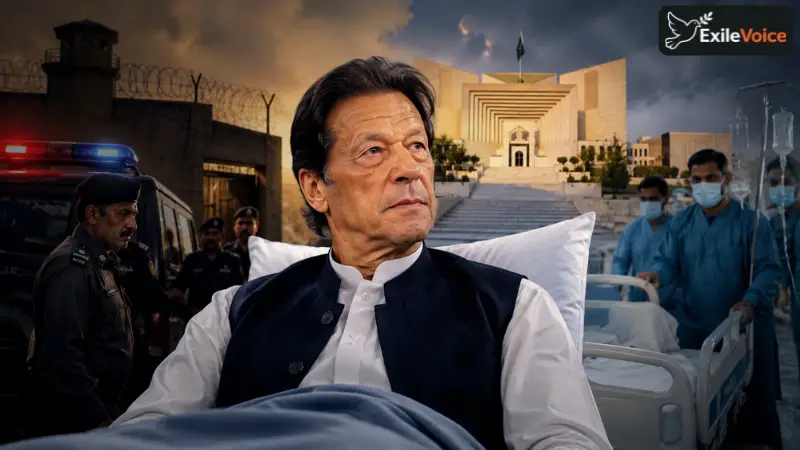
The shifting of Pakistan Tehreek-e-Insaf (PTI) founder and former Prime Minister Imran Khan from Adiala Jail to Shifa International Hospital in Islamabad has triggered widespread political commentary, analysis, and debate across the country. This high-profile medical transfer follows rigorous judicial scrutiny and persistent demands from legal teams, family members, and party supporters concerning his health and prison conditions. The development has immediately altered the political atmosphere, prompting intensive evaluations of the evolving relationship between the military establishment, the ruling coalition, and the political opposition.
Observers and political analysts note that such high-stakes movements rarely occur in a vacuum within Pakistan's complex political landscape. The involvement of superior judiciary directives, specifically from benches examining prison conditions and fundamental rights, has placed a spotlight on the legal architecture governing incarcerated political figures. While government authorities and medical boards emphasize the necessity of routine health evaluations and specialized care, political commentators view the transfer as a potential turning point that could influence upcoming negotiations, public mobilization, and legislative strategies.
The reactions from major political stakeholders highlight deep underlying tensions. Parties within the ruling alliance face mounting pressure to navigate the changing narrative surrounding incarceration, prisoner rights, and judicial interventions. Meanwhile, PTI leadership and supporters interpret the hospital admission as a significant milestone in their ongoing struggle for legal relief and institutional engagement. As medical experts evaluate health parameters under strict security protocols, the broader political arena anticipates whether this medical relocation will remain strictly isolated to healthcare or catalyze broader political realignments involving key institutional actors.