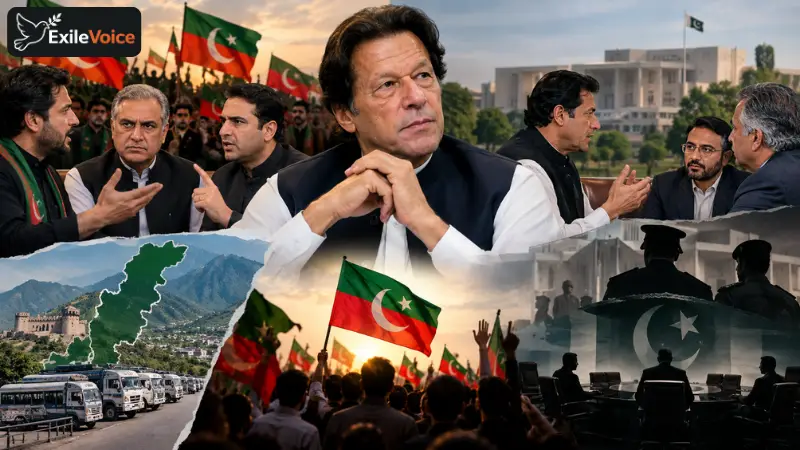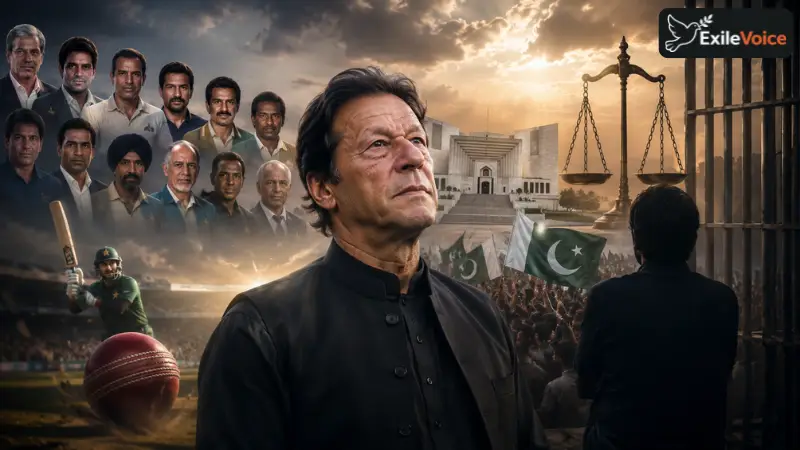
The geopolitical and domestic landscape of Pakistan continues to face profound political shifts, highlighted by recent developments involving former Prime Minister عمران خان, international diplomatic pressures, and shifting alliances among regional political parties. In a notable display of international solidarity, twenty-two former international cricket captains have issued a joint appeal to the Pakistani authorities. The signatories urge immediate implementation of the Supreme Court of Pakistan rulings regarding Khan, demanding fair and independent medical assessments by his personal physicians, the restoration of weekly family visits in accordance with human rights standards, and proper medical treatment facilities.
Significantly, this coalition includes prominent figures from various cricketing nations, featuring former Indian captains such as Sunil Gavaskar and Kapil Dev. Observers have drawn attention to the stark contrast between the global advocacy led by international sports icons and the relative silence within Pakistan's own cricketing fraternity. Analysts compare this dynamic to institutional pressures observed in international corporate and political spheres, noting how centralized authority attempts to suppress dissent across public figures, artists, and athletes.
Simultaneously, domestic political dynamics are evolving rapidly. During a JUI-F worker convention in Peshawar, Maulana Fazlur Rehman delivered a sharp critique of the current federal administration and military leadership. He questioned the legitimacy of the current governance structure, criticizing the centralization of authority and drawing historical parallels to political crises of 1971. Rehman argued that recent legislative amendments consolidating defense and command authorities diverge from constitutional norms, asserting that administrative restructuring within state institutions should not undermine parliamentary supremacy.
Furthermore, political analysts have highlighted internal friction within the Pakistan Tehreek-e-Insaf (PTI) leadership regarding back-channel communications and potential negotiations with the establishment. Reports indicate that Khan has reiterated his stance against unauthorized deals, emphasizing that any resolution must be grounded in transparent judicial processes and the restoration of a free and fair electoral mandate. As regional security concerns persist in provinces like Balochistan and Khyber Pakhtunkhwa, the interplay between grassroots political movements, institutional reforms, and international advocacy remains a central theme in Pakistan's evolving political discourse.