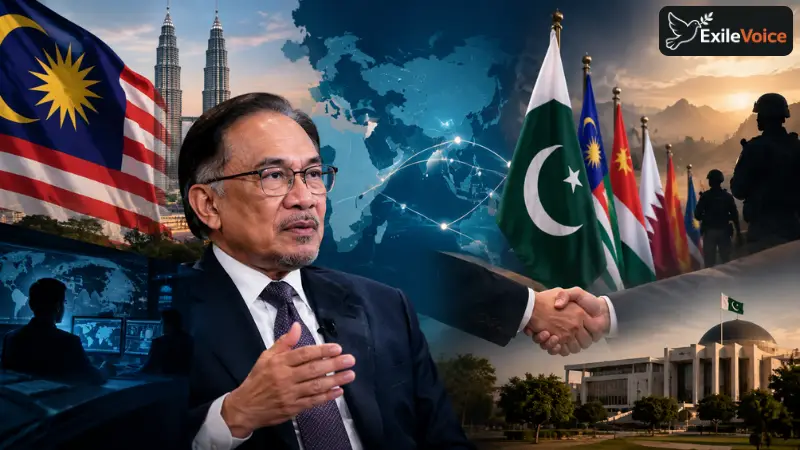
Recent discourse on regional stability and international diplomacy has brought the nuanced positions of emerging economies into sharp focus. A prominent example is the interview given by Malaysian Prime Minister Anwar Ibrahim, where he addressed critical regional security questions with distinct independence. Commentators note that leadership confidence rooted in strong institutional alignment allows officials to address controversial foreign policy topics firmly, without yielding to external pressures.
In the domestic context, questions surrounding national security pacts and regional agreements frequently invite intense public debate. Observers emphasize that while political leadership and governance models remain subjects of rigorous scrutiny, distinguishing between short-term political administration and foundational national sovereignty is vital. Institutional trust and robust intelligence coordination underpin how nations navigate complex cross-border challenges, distinguishing strategic statecraft from partisan political rhetoric.