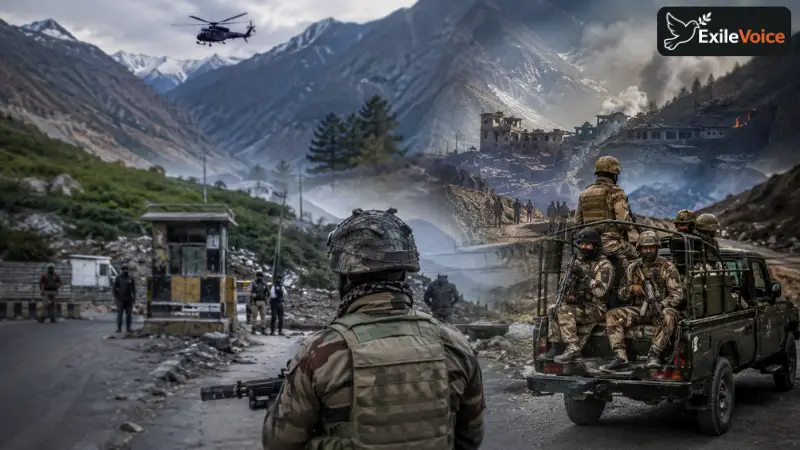
The security landscape in Pakistan has experienced a significant deterioration, highlighted by recent militant attacks targeting security checkpoints and personnel across vulnerable regions. Observers note that incidents have extended to remote areas such as Chitral, where militant assaults on military posts signal a worrying expansion of security challenges. Concurrently, high-casualty events in regions like Ziarat have underscored the growing tactical capabilities and persistence of insurgent groups operating within the country.
This surge in violent incidents coincides with broader law and order concerns, prompting domestic and international apprehension regarding regional stability. Analysts point out that the compounding security pressures demand comprehensive strategic responses, addressing both immediate enforcement gaps and underlying socio-political grievances. Furthermore, incidents involving foreign nationals, such as the reported death of a foreign tourist in Mansehra, add an international dimension to the crisis, potentially impacting tourism and diplomatic relations.
Efforts to manage the narrative and project stability through institutional public relations initiatives continue, yet security experts argue that substantive policy shifts are essential to restore order. The persistent challenges in regions traditionally considered secure demonstrate the fluid nature of modern security threats, requiring enhanced coordination among security apparatuses and regional administrations. Addressing these multifaceted security threats remains a paramount priority for national stakeholders aiming to re-establish stability and public confidence.