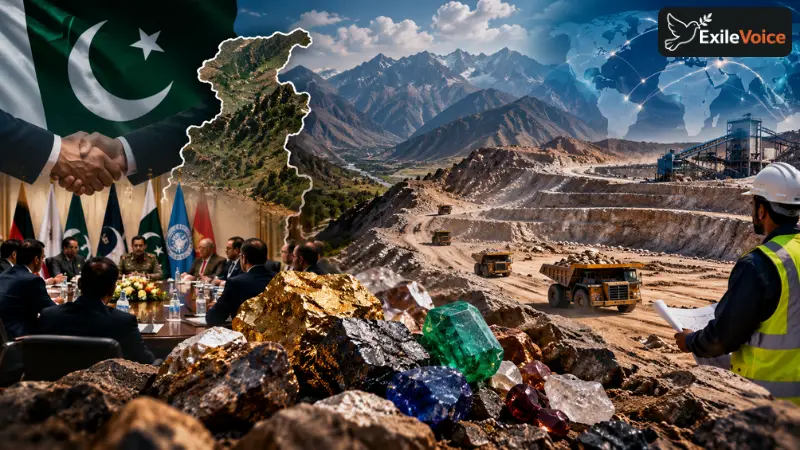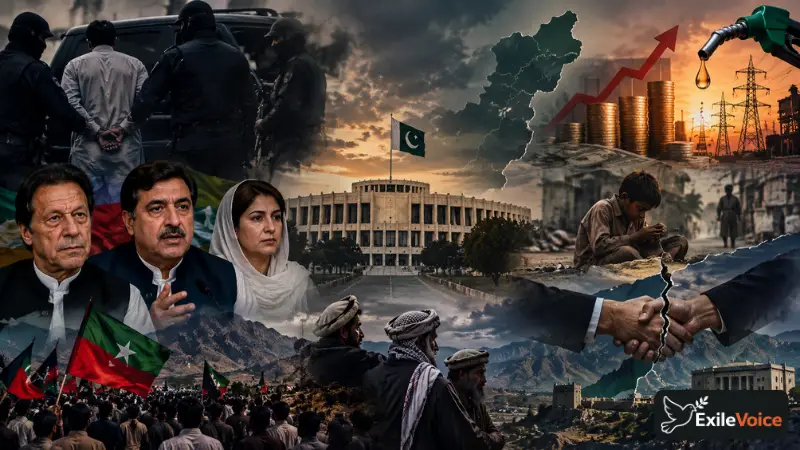

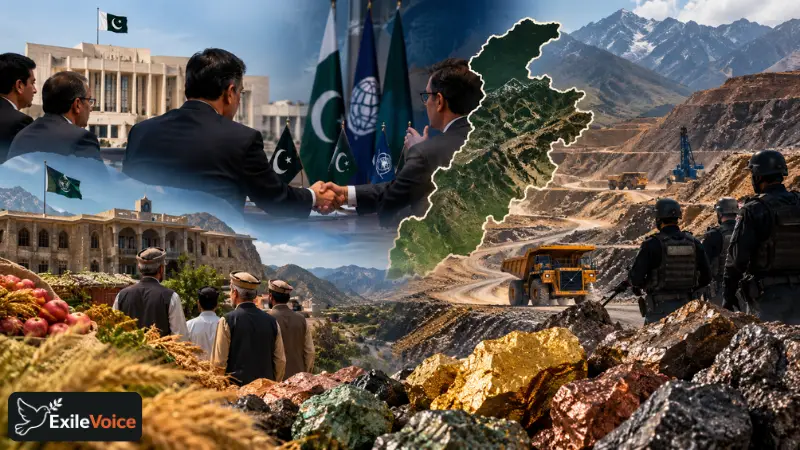
Strategic shifts in administrative oversight across mineral-rich districts of Khyber Pakhtunkhwa have redirected governance toward central federal control. Following the suspension of local administrative machinery, key decision-making powers regarding bureaucratic appointments and transfers have shifted to federal administrators and senior federal committees. Reports indicate that federal ministries, in coordination with foreign diplomatic missions and international commercial entities, are prioritizing negotiations centered on mining, mineral extraction, and agricultural exports.
This centralization of authority has sparked debates regarding resource distribution and provincial rights. While law enforcement personnel receive enhanced financial packages to maintain stability in affected zones, local political actors argue that sidelining regional institutions diminishes the economic agency of the province. Analysts suggest that the vast mineral wealth of the region has become a primary focal point for federal planners, overshadowing local governance structures and altering the traditional balance of power between federal authorities and provincial entities.