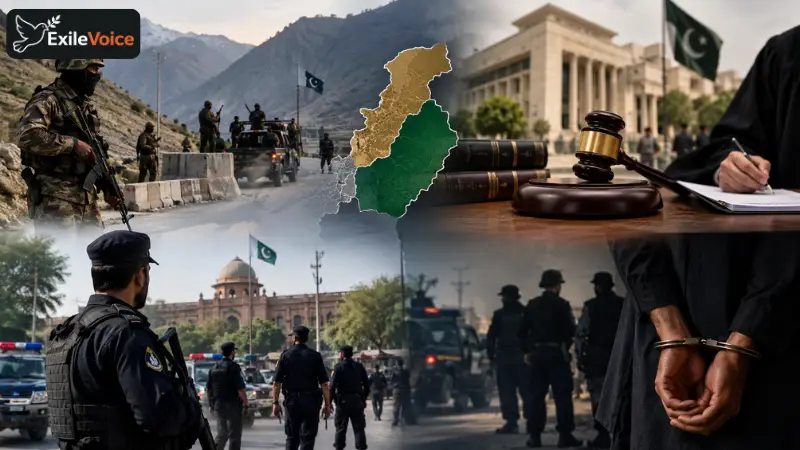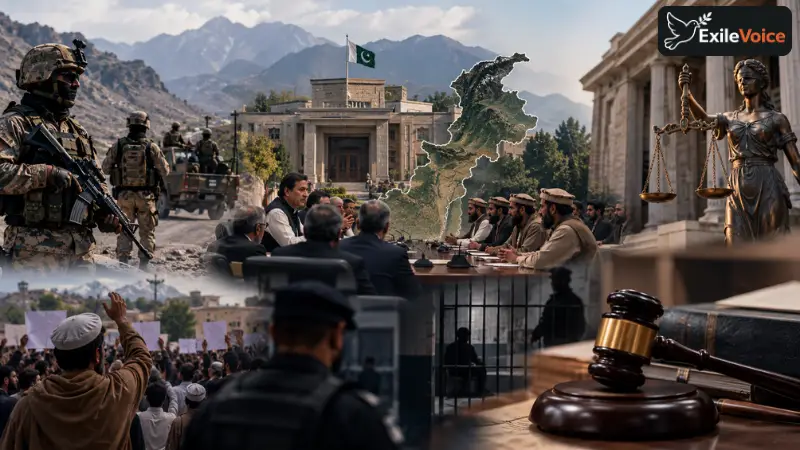
The intersection of security operations and civil governance in Khyber Pakhtunkhwa has emerged as a major point of friction between provincial authorities and the federal administration. Disagreements regarding counter-terrorism frameworks, regional military operations, and compliance with judicial orders have created a complex legal and administrative environment. As kinetic security measures continue across several frontier districts, questions surrounding operational transparency, provincial ownership, and constitutional compliance have taken center stage.
A primary issue driving institutional tension is the ownership and execution of localized military operations. Federal authorities have sought explicit political endorsement from the provincial administration for active security drives. However, provincial leaders contend that effective counter-terrorism policy requires comprehensive transparency, democratic oversight, and direct consultation with local tribal elders and political stakeholders. Relying solely on repetitive kinetic interventions, provincial officials argue, risks alienating civilian populations and aggravating local grievances without addressing root causes of instability.
Legal challenges have further complicated the security landscape. Recent enforcement measures, including heavy traffic fines and stringent local security enforcement, have triggered severe public backlash in regional centers like Peshawar. Furthermore, the political discourse surrounding security operations has frequently resulted in contentious allegations. Instances where private citizens were publicly identified as security threats without formal legal charges or judicial proceedings have drawn sharp criticism from civil rights advocates and legal scholars, who emphasize the necessity of due process to maintain state legitimacy.
The controversy extends into the judicial sphere, where implementation of court rulings remains a major bottleneck. Legal battles over detainee conditions, access to independent medical boards for high-profile prisoners, and the enforcement of Supreme Court directives have exposed significant gaps between judicial orders and executive implementation. Opposition legal representatives maintain that failure to adhere to established judicial standards weakens public trust in legal institutions and exacerbates political instability.
Addressing these structural security and legal challenges requires a balanced framework that aligns executive action with constitutional protections. Without clear policy synchronization between federal security apparatuses, provincial leadership, and judicial oversight mechanisms, efforts to establish sustainable peace in Khyber Pakhtunkhwa face significant operational hurdles.