The geopolitical landscape of South Asia and the Middle East remains intricately connected through diplomatic engagements, security imperatives, and regional stability concerns. A notable development in recent regional diplomacy involves high-level military leadership visits between neighboring states, particularly the strategic diplomatic missions undertaken by Pakistan's military leadership. Analyzing these diplomatic maneuvers provides a comprehensive window into how regional powers navigate complex security architectures, cross-border security challenges, and bilateral cooperation frameworks.
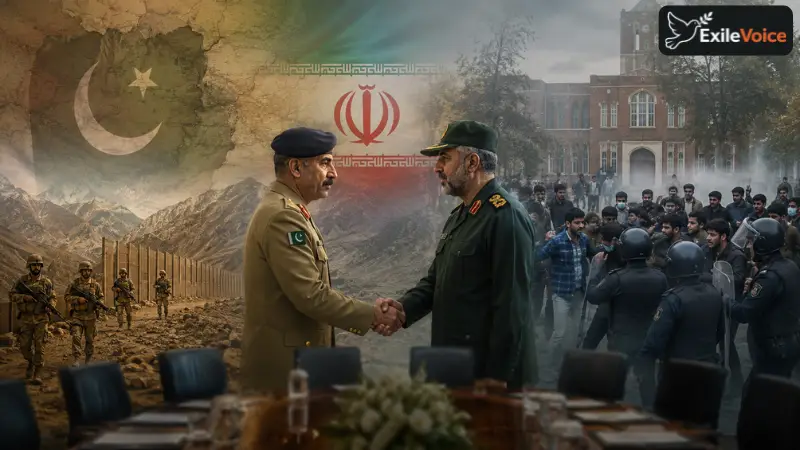
The visit of Pakistan's Chief of Army Staff, General Asim Munir, to Iran highlights a critical dimension of contemporary foreign policy and security strategy. Relations between Pakistan and Iran have historically oscillated between cooperative security arrangements and nuanced diplomatic balancing acts. Border management, counterterrorism cooperation, and economic corridors are central pillars of this bilateral relationship. When senior military leadership engages directly with counterparts in Tehran, the discussions typically transcend routine diplomatic protocol. They address immediate security concerns, such as militant safe havens, border fencing initiatives, intelligence sharing, and regional stability in the wake of shifting Middle Eastern dynamics.
Beyond immediate bilateral concerns, such high-level missions carry broader implications for regional security frameworks. Both nations share a porous border in a volatile region where transnational crime, drug trafficking, and insurgent movements pose persistent challenges. Effective containment of these threats requires synchronized operational efforts and mutual trust at the highest military echelons. By addressing these cross-border security vulnerabilities directly, both Islamabad and Tehran aim to foster a stable environment conducive to trade and regional integration. Furthermore, these diplomatic engagements serve as a strategic signal to external actors that regional stakeholders are capable of managing bilateral friction and security coordination independently.
Concurrently, the domestic landscape within Pakistan presents a complex interplay of political tension, institutional scrutiny, and student activism on university campuses. Recent incidents involving clashes and confrontations between student groups and security or institutional elements on academic campuses highlight the deep-seated polarization within the country. Educational institutions traditionally serve as incubators for intellectual discourse, political awakening, and societal critique. However, when administrative measures or institutional responses intersect with student mobilization, the resulting friction often exacerbates broader societal fractures.
The intersection of high-level foreign policy missions and turbulent domestic dynamics creates a dual narrative for the nation. Externally, the state attempts to project strength, diplomatic maturity, and regional leadership through strategic outreach to neighbors like Iran. Domestically, however, the management of internal dissent, freedom of expression, and institutional accountability remains a persistent challenge. Observers note that long-term national security cannot be decoupled from internal stability and social cohesion. When citizens, particularly youth and students, feel alienated or face coercive environments on campuses, it erodes the foundational trust required between the populace and state institutions.
Navigating this intricate web of foreign policy imperatives and domestic governance challenges requires a holistic approach from policymakers. Sustainable stability demands that diplomatic triumphs abroad are mirrored by inclusive governance, protection of civil liberties, and peaceful conflict resolution at home. As regional and international pressures mount, the ability of state institutions to balance external security obligations with internal democratic norms will ultimately define the trajectory of the nation's future development and institutional resilience.