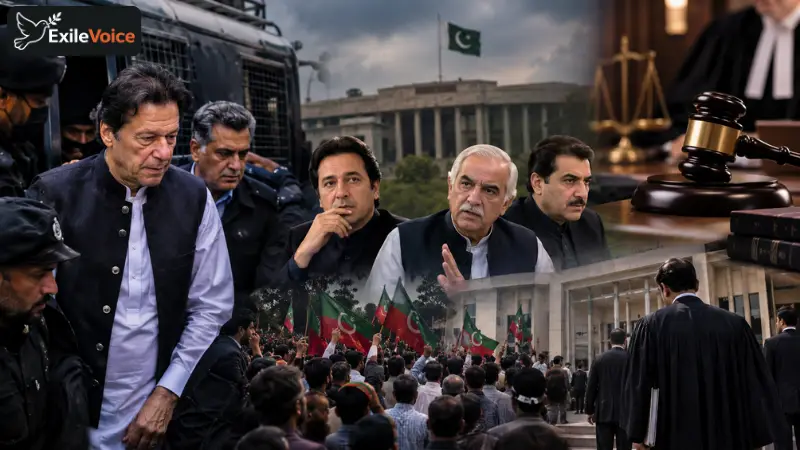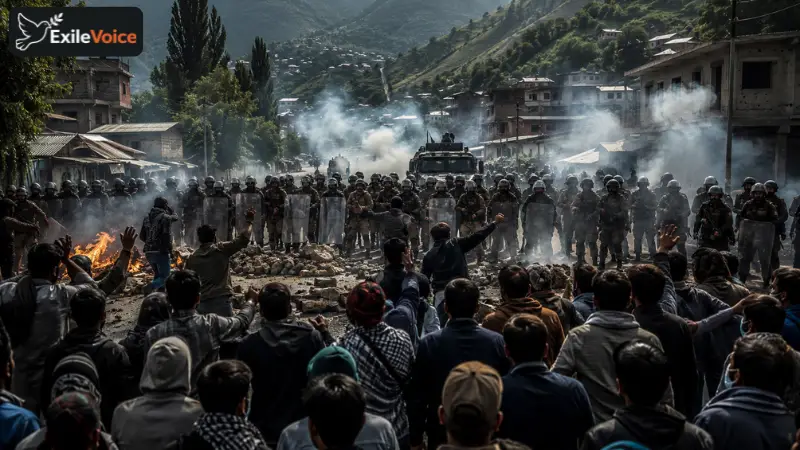
Recent developments in Rawalakot and surrounding areas of Pakistan-administered Kashmir highlight a deepening political and humanitarian crisis. Protests against regional electoral processes have triggered severe confrontations, with reports of paramilitary forces utilizing live ammunition against civilian populations. This unrest underscores systemic grievances regarding governance, civil liberties, and the lack of genuine political autonomy in the region.
Local civil society organizations, including the Joint Awami Action Committee, have documented significant casualties and widespread discontent. Analysts point out that the administrative framework relying heavily on non-local bureaucratic appointments and paramilitary intervention exacerbates local alienation. Comparing state responses to civil unrest across different jurisdictions reveals stark contrasts in governance models, emphasizing the necessity for structural reforms, transparent dialogue, and respect for fundamental human rights. Resolving these tensions requires a paradigm shift toward inclusive political engagement and accountability from state authorities.