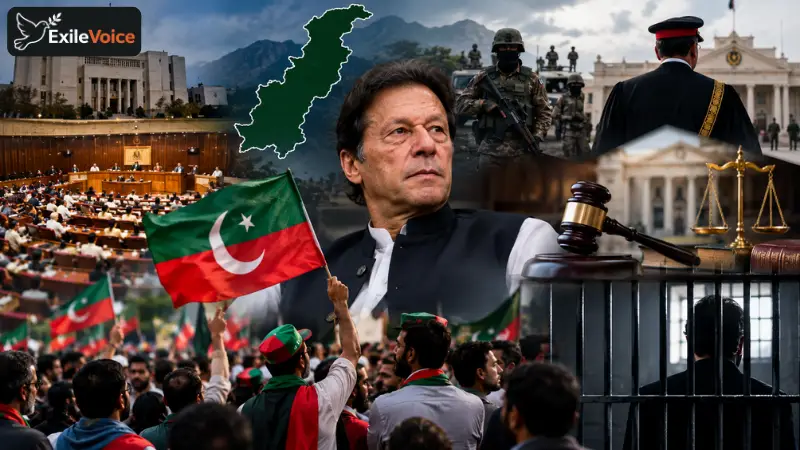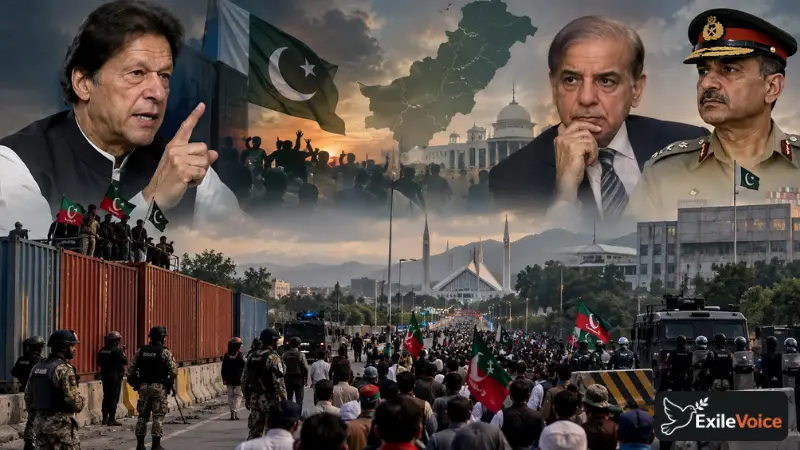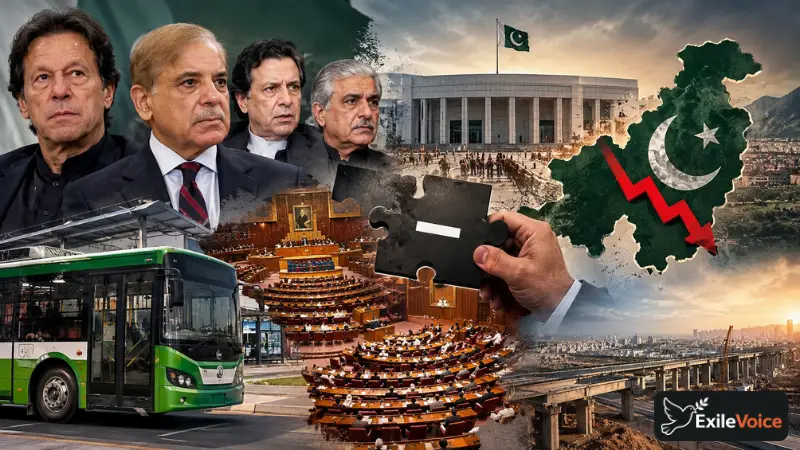
Recent political commentary and analysis focusing on Pakistan's shifting governance landscape have highlighted mounting tensions, strategic realignments, and administrative controversies. Central to these discussions are allegations surrounding high-level political restructuring, often referred to in political circles as the "minus formula," alongside controversies regarding regional infrastructure and public resource management.
Political analysts examining current developments point to evolving dynamics between major political stakeholders, coalition friction, and administrative decisions affecting regional governance. Observers note that systemic realignments often manifest during periods of economic and institutional stress, impacting legislative processes and public trust. Furthermore, administrative disputes, such as those involving public transport assets and regional policy implementation, underscore the complexities of governance and accountability in contemporary political environments.
Understanding these developments requires a comprehensive view of legislative maneuvers, executive decision-making, and the broader socioeconomic implications for the public. As political actors position themselves for upcoming electoral and legislative battles, transparency, adherence to institutional norms, and effective resource management remain critical focal points for civil society and policy analysts alike.