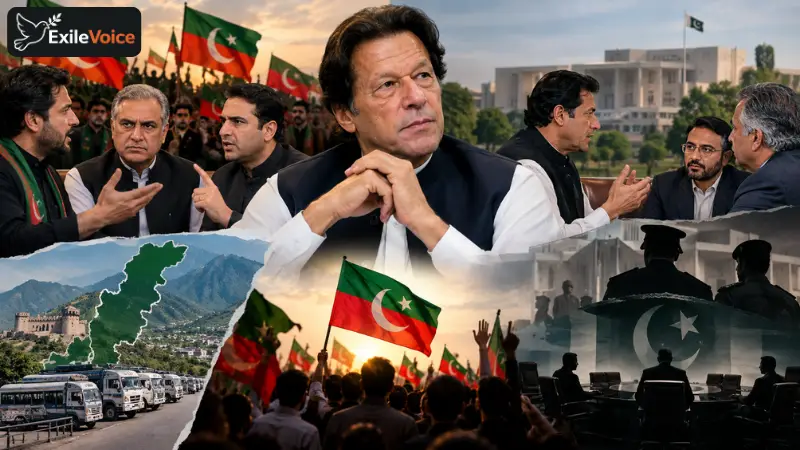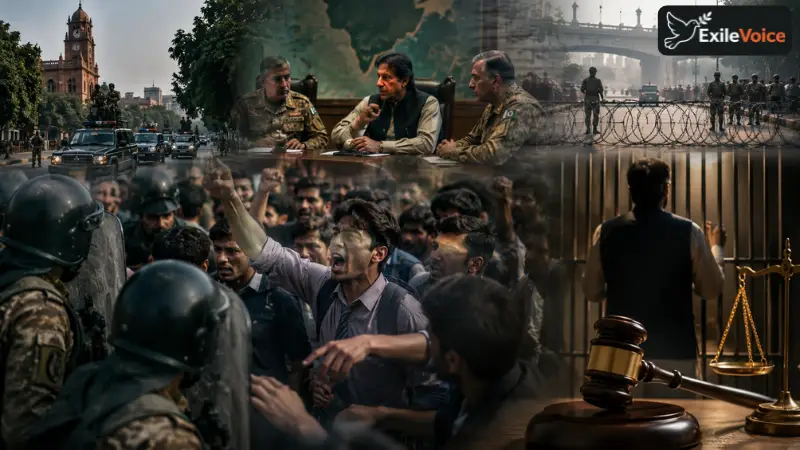
Recent developments in Pakistan highlight a growing friction between the general populace and military-backed governance structures. Incidents such as student protests and clashes at institutions like Sarhad University underscore the rising public frustration against economic hardships, compromised judicial systems, and alleged political engineering. Observers note that public anger is increasingly manifesting as direct pushback against individuals in uniform, signaling a tense socio-political climate.
In parallel, institutional realaments continue to shape the political landscape. Analysts point to significant administrative shifts, including enhanced military involvement in urban management such as Rawalpindi, aimed at maintaining order during high-level internal transitions. Furthermore, constitutional and administrative adjustments have placed defense leadership within key advisory roles akin to historical precedents, drawing sharp commentary from political analysts regarding the balance of power between civilian bodies and military authorities.
At the provincial level, governance measures such as the continuous extension of Section 144 in Punjab reflect ongoing efforts by authorities to manage political dissent and curb unauthorized assemblies. Meanwhile, controversies involving political leadership and corporate disputes, such as allegations surrounding commercial takeovers, continue to dominate public discourse. Legal battles concerning medical treatment permissions for imprisoned political figures further illustrate the complex intersections of judiciary decisions, executive oversight, and partisan politics.