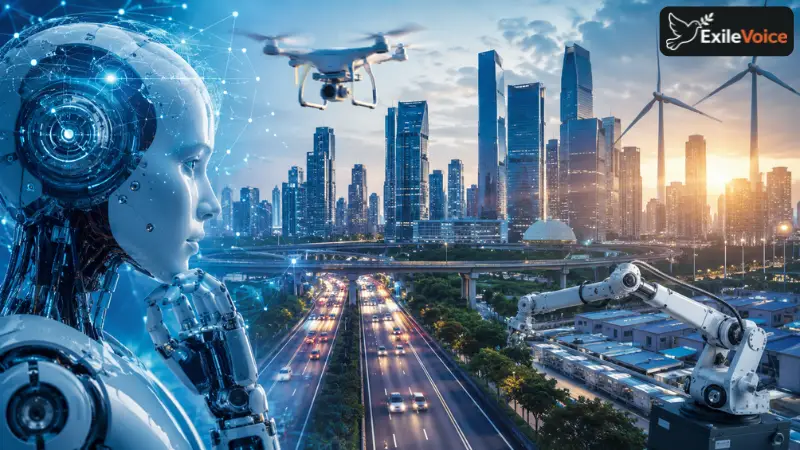
Artificial intelligence continues to transform the global technological landscape at an unprecedented pace. Organizations across various sectors are adopting advanced machine learning models to streamline operations, enhance customer experiences, and drive data-backed decision-making. As computing power grows, the integration of automation into daily workflows is no longer optional for forward-thinking enterprises.
A critical aspect of this evolution is the shift toward more autonomous and adaptive systems. Traditional software relies heavily on explicit programming rules, whereas modern AI leverages deep neural networks to learn from vast datasets. This capability allows machines to recognize complex patterns, predict market trends, and solve intricate problems with minimal human intervention. Consequently, industries such as healthcare, finance, and logistics are experiencing a profound paradigm shift.
However, rapid technological growth brings significant challenges. Ethical considerations, data privacy concerns, and the displacement of traditional job roles require careful navigation. Industry leaders must prioritize transparent algorithms and robust cybersecurity frameworks to protect sensitive information. Furthermore, workforce development programs are essential to equip employees with the skills needed to thrive alongside emerging technologies. Upskilling initiatives ensure that human capital remains valuable in an increasingly automated environment.
Looking ahead, the collaboration between human ingenuity and machine efficiency will define the next era of innovation. Organizations that embrace a culture of continuous learning and strategic adaptation will secure a competitive advantage. By balancing technological ambition with ethical responsibility, society can harness the full potential of artificial intelligence to create a sustainable and prosperous future.