
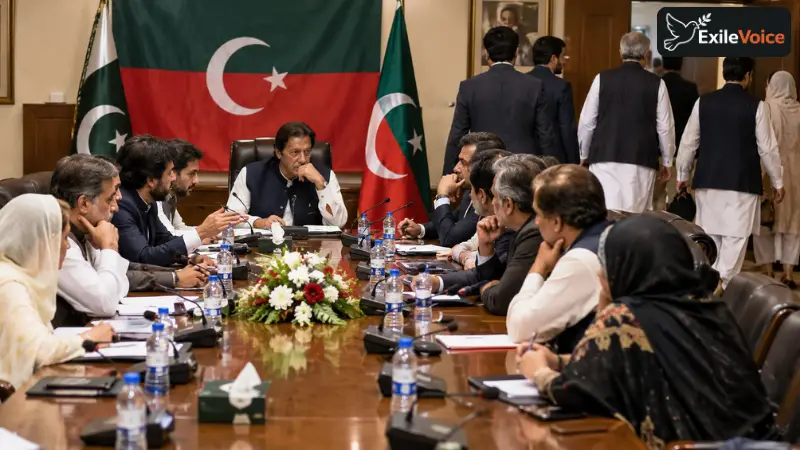
The Pakistan Tehreek-e-Insaf (PTI) parliamentary party recently convened a high-stakes meeting in Islamabad to deliberate on the party's strategic direction, internal cohesion, and potential negotiations with the ruling administration. The session drew significant media attention amid reports of internal friction and differing viewpoints among senior leadership and parliamentary members.
During the proceedings, several key figures reportedly walked out of the meeting, highlighting the underlying tensions within the party ranks. Discussions centered heavily on maintaining support for core leadership figures such as opposition figures and regional representatives, while emphasizing the imperative of constructive dialogue. Proponents of negotiation argued that engagement within the existing political framework is essential for addressing pressing governance challenges, including matters related to regional administrative control and the well-being of incarcerated leadership.
However, the path forward remains fraught with complexity. Observers note that while parliamentary members lean toward institutional engagement, broader factional concerns and differing interpretations of party objectives continue to create friction. The discourse underscores the delicate balance PTI must navigate between participating in the formal political process and maintaining its core ideological stance under challenging circumstances. As the political landscape in Islamabad evolves, the party's ability to forge a unified front will be crucial in shaping its legislative and strategic outcomes moving forward.