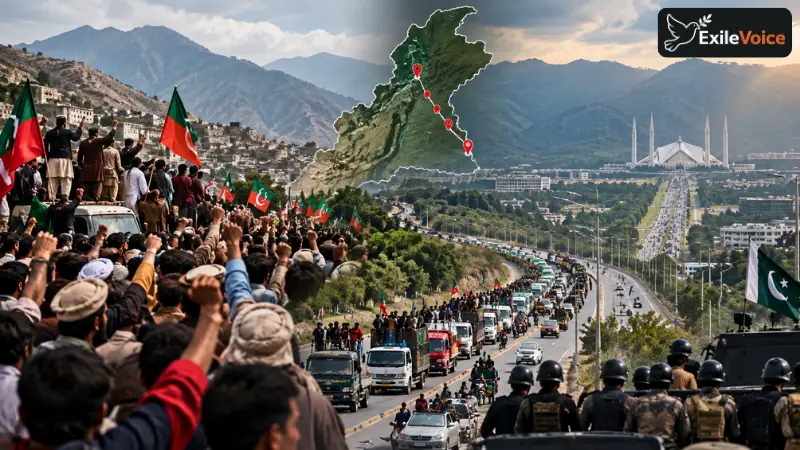
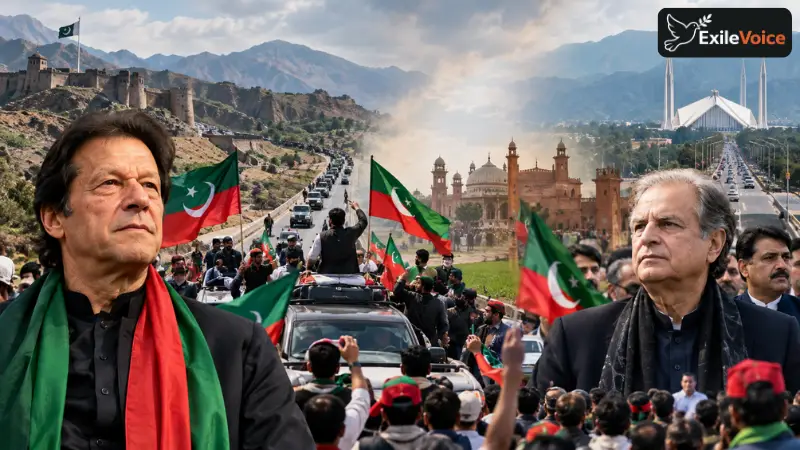
The recent departure of prominent political figures from Pakistan has sparked intense debate among analysts and political observers. As the political landscape undergoes rapid shifts, questions arise regarding the implications for governance stability and institutional dynamics. Observers note that these movements reflect underlying tensions within the ruling coalitions and opposition factions alike. Strategically, such events alter the balance of power, creating new avenues for political alignment and public discourse. Analysts emphasize that understanding these developments requires a comprehensive look at both historical precedents and current socio-economic pressures facing the country. The interplay between civilian leadership, regional alliances, and public sentiment remains a critical driver of the evolving political narrative. Furthermore, international perspectives on these leadership changes highlight the ongoing scrutiny regarding institutional transparency and democratic processes. Stakeholders across various sectors are closely monitoring how these transitions will influence policy formulation, economic reforms, and diplomatic engagements in the near future. As the situation continues to unfold, political strategists recommend maintaining a balanced view of the institutional mechanisms at play, ensuring that public policies remain aligned with national stability and long-term growth objectives.
Political Shifts and Strategic Developments: Analyzing Recent Leadership Moves in Pakistan
AI Quick Read
- Examination of recent high-profile political departures and their impact on national stability.
- Analysis of shifting institutional dynamics and coalition tensions within the political framework.
- Evaluation of public sentiment and international perspectives regarding governance and transparency.