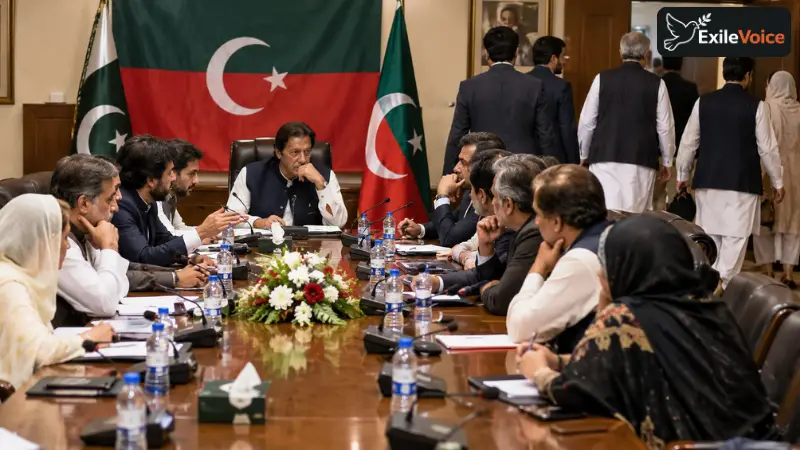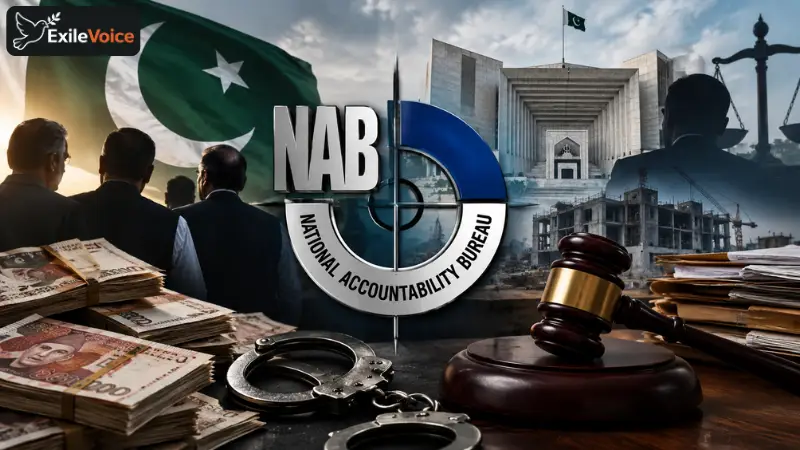
The National Accountability Bureau (NAB) has once again taken center stage in Pakistan's political landscape, initiating high level investigations against numerous politicians. Recent reports highlight that dozens of politicians are currently scrutinized over money laundering allegations and massive financial irregularities, particularly in regional developmental projects.
Critics and political commentators argue that anti corruption institutions are frequently leveraged as mechanisms of political leverage and compliance rather than independent oversight bodies. Historically, the activation of accountability measures coincides with critical political transitions, legislative amendments, or shifts in national governance priorities. This cyclical deployment has sparked widespread public debate regarding the institutional autonomy of anti corruption agencies and their role within the broader framework of democratic stability.
Furthermore, legal experts emphasize the necessity of transparent, unbiased investigations that adhere strictly to due process, ensuring that accountability is applied universally rather than selectively. As political tensions mount and new investigative findings emerge, the role of national oversight bodies remains a focal point of intense scrutiny among citizens, analysts, and lawmakers alike.