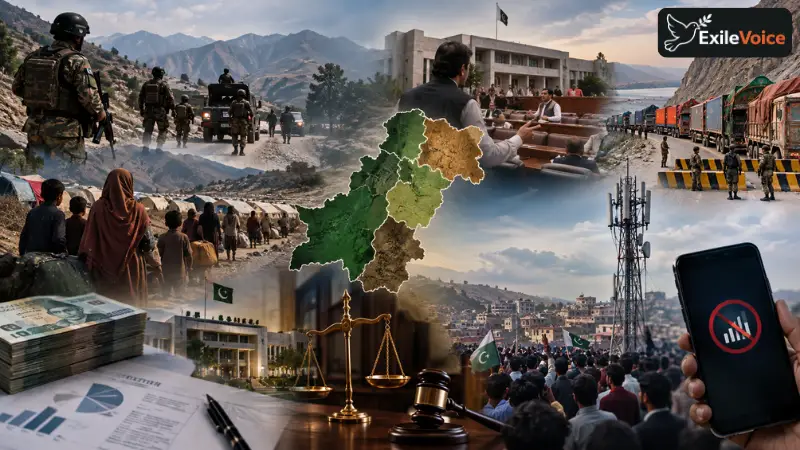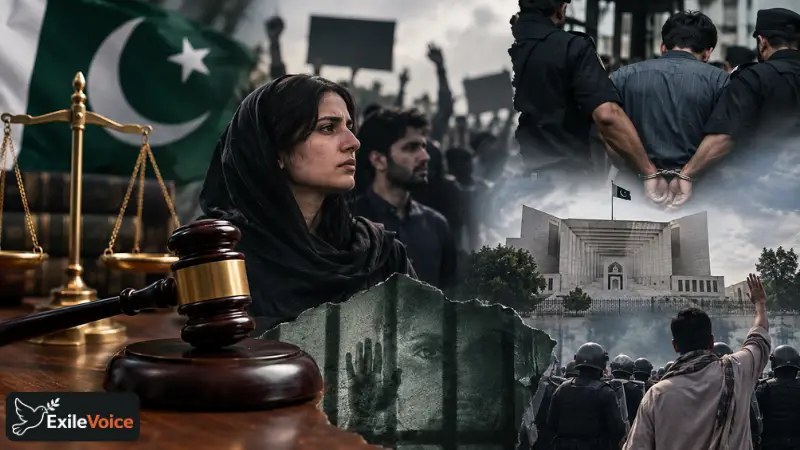
The legal and human rights landscape in Pakistan continues to face severe challenges, marked by controversial arrests, judicial proceedings, and restrictions on political workers and civil society figures. Recent cases involving the repeated detention and subsequent court appearances of prominent activists and lawyers, such as Imaan Mazari and Hadi Chattha, underscore systemic issues within the country's judicial and law enforcement frameworks. Despite court orders and legal protections aimed at securing releases, recurring detentions under alternative charges demonstrate a troubling pattern of legal pressure against dissenting voices.
Compounding these civil liberties concerns are reports of harsh treatment and targeted actions against political opposition members and workers. Incidents involving the detention of political figures attempting to attend funeral services, alongside broader constraints on freedom of movement and assembly, highlight an increasingly restrictive environment for political participation. Legal analysts and human rights advocates argue that these practices undermine judicial independence and democratic norms. As courts grapple with conflicting pressures from executive authorities and civil society demands, the pursuit of justice and the protection of fundamental constitutional rights remain critical areas of concern for Pakistan's democratic future.