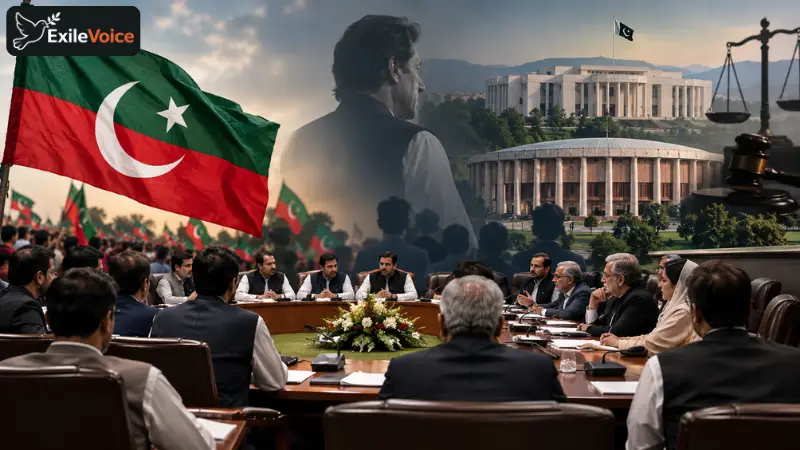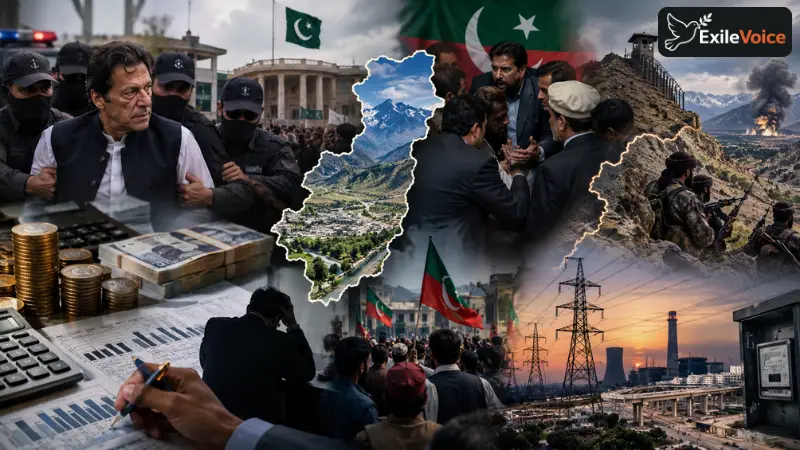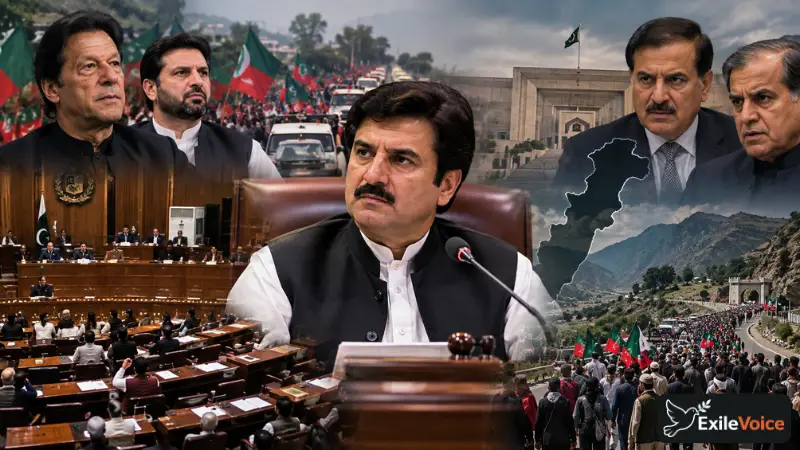
The political landscape in Pakistan has reached a critical juncture as the confrontation between the federal establishment and the provincial government of Khyber Pakhtunkhwa escalates. At the epicenter of this struggle is Khyber Pakhtunkhwa Assembly Speaker Babar Saleem Swati, whose strategic legislative maneuvers are serving as a crucial defense line against federal intervention. As the Pakistan Tehreek-e-Insaf (PTI) launches its high-stakes long march toward Islamabad under Chief Minister Sohail Afridi, rumors and administrative preparations for Governor Rule in Khyber Pakhtunkhwa have reached a fever pitch.
Federal authorities, represented prominently by Governor Faisal Karim Kundi and federal ministers, have openly discussed the potential imposition of Governor Rule under Article 234 of the Constitution. The rationale advanced by Islamabad focuses on law and order breakdown, administrative defiance, and the usage of provincial state resources for political agitation. However, legal experts and political analysts point out that replacing an elected provincial executive is fraught with constitutional hurdles, particularly when the provincial assembly remains operational and enjoys a clear legislative majority.
Speaker Babar Saleem Swati's recent procedural actions within the Khyber Pakhtunkhwa Assembly represent a calculated preemptive strike. By keeping the assembly session open and actively managing parliamentary proceedings, the Speaker makes it significantly harder for federal authorities to argue that state machinery has completely collapsed. Under Pakistan's constitutional framework, invoking emergency provisions or suspending an elected assembly requires strict adherence to constitutional standards. A functional assembly actively debating governance and security matters undercuts the narrative of complete executive paralysis.
The operational backdrop of this standoff includes the launching of PTI's long march from southern Khyber Pakhtunkhwa, moving through Lakki Marwat, Karak, and Kohat toward the federal capital. Chief Minister Sohail Afridi has repeatedly asserted provincial sovereignty, refusing to submit to federal directives regarding security policies and public protest management. Federal representatives, such as Interior Minister Mohsin Naqvi and Prime Minister's Adviser Rana Sanaullah, argue that security and counter-terrorism measures fall under uniform national directives that provincial executives cannot unilaterally bypass.
The role of the provincial speaker extends beyond routine legislative management. In times of constitutional deadlock, the Speaker functions as the custodian of the house's collective mandate. By maintaining procedural rigor, ensuring quorum, and documenting official legislative proceedings, Speaker Swati is building a comprehensive record. Should the federal government move to impose Governor Rule, this official record will serve as primary evidence in the Supreme Court of Pakistan to challenge the constitutionality of the federal intervention.
Furthermore, political analysts highlight the delicate balance of power within the military-civilian operational matrix. While security agencies push for stricter measures to curb public mobilization and maintain federal order, executive overreach risks creating deeper political destabilization across the province. The confrontation is no longer merely about street protests; it has evolved into a fundamental constitutional conflict over provincial autonomy, parliamentary immunity, and the limits of federal executive authority.
As the long march approaches the strategic border point at Attock, the political game of chess between Islamabad and Peshawar deepens. Speaker Babar Saleem Swati's decisive parliamentary positioning underscores a vital reality: while executive power can be challenged through administrative orders, defeating a constitutionally fortified legislative assembly remains one of the most formidable hurdles in Pakistan's political history.