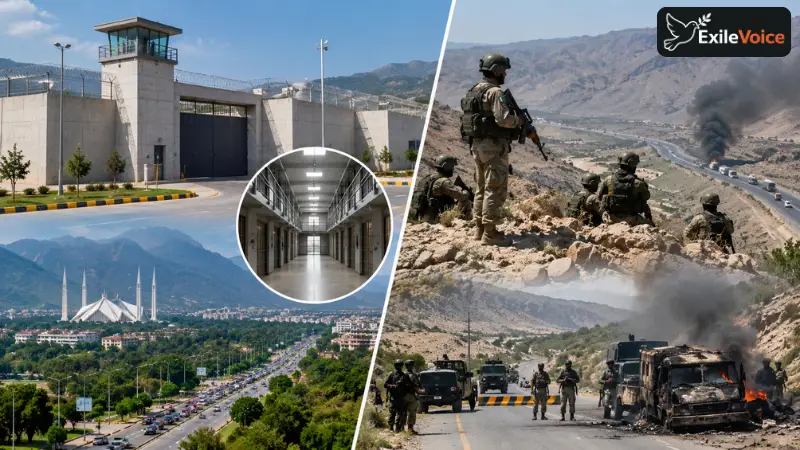


Public sector infrastructure development and institutional governance remain critical pillars of national economic stability. Recent developments surrounding public works organizations and regional leadership have brought questions of project quality, financial oversight, and administrative accountability to the forefront of public discourse. Ensuring transparency in large-scale construction and civil engineering projects is essential for maintaining public trust and optimizing taxpayer resources.
In regional governance, discussions regarding the performance of specialized construction wings, such as the Frontier Works Organization (FWO), have intensified. Regional representatives have openly criticized infrastructure standards, pointing to structural deficiencies in regional road networks and demanding rigorous quality control. Such public evaluations highlight the delicate balance between state-managed developmental entities and regional administrative authorities. Observers note that effective oversight mechanisms require transparent bidding processes, independent auditing, and strict adherence to engineering standards to prevent substandard execution.
Furthermore, economic analysts emphasize that sustainable infrastructure development depends heavily on institutional integrity and clear lines of accountability. When public works face scrutiny regarding execution quality and financial management, it necessitates comprehensive internal reforms. Strengthening regulatory frameworks ensures that public funds are utilized efficiently, fostering greater confidence among citizens and business stakeholders alike regarding the trajectory of national development projects.