Recent geopolitical reports indicate that the Pakistani administration is considering a significant policy shift regarding the status of Pakistan-Administered Kashmir, often referred to as Azad Kashmir, alongside Gilgit-Baltistan. Reports suggest that discussions are underway to formally integrate these regions as interim provinces of the federation. This potential administrative restructuring involves examining possible amendments to Article 1, Clause 2 of the Constitution of Pakistan, which currently defines the constitutional relationship between these territories and the central government.
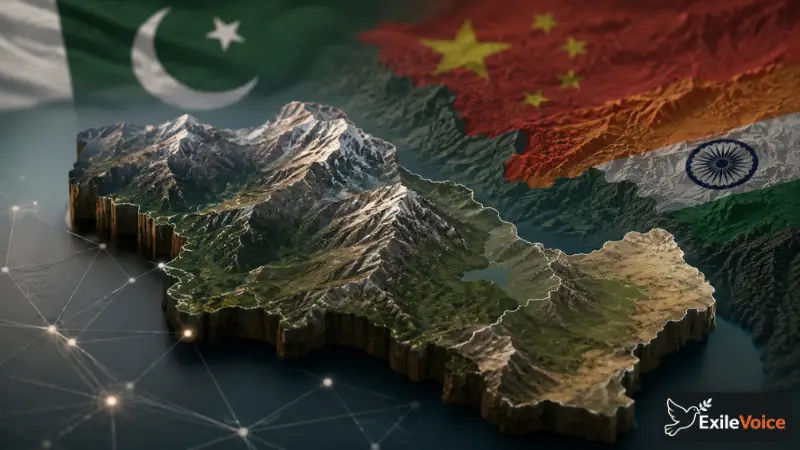
This proposed shift occurs against a backdrop of broader diplomatic and regional developments. Observers point to ongoing boundary delimitation talks between India and China, highlighted by high-level diplomatic visits and discussions involving national security representatives. Strategic analysts suggest that progress in these bilateral talks could exert external pressures on Pakistan to re-evaluate its long-standing positions regarding regional disputes. Historically, the formal integration of these territories would mark a departure from traditional stances tied to historical United Nations resolutions, raising complex questions about international diplomacy, legal frameworks, and domestic governance.
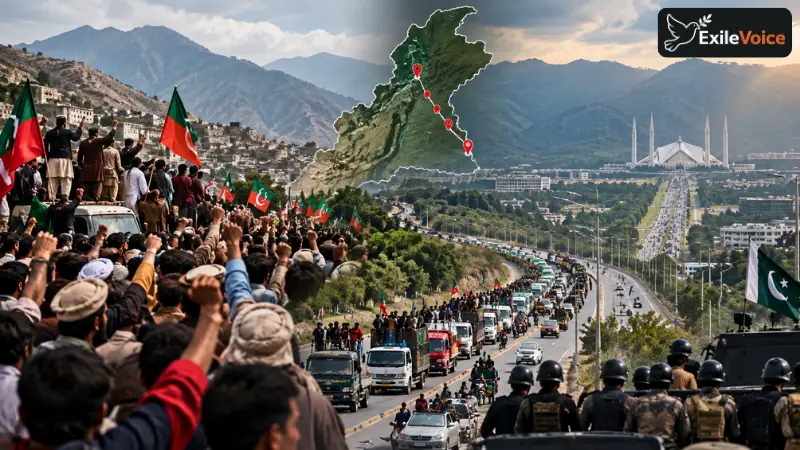
At the domestic level, the region has experienced notable civil unrest and political agitation, particularly in areas with deep historical roots of resistance and high representation in state institutions. Analysts note that heightened administrative tensions and localized friction often precede major policy realignments. As policymakers weigh the constitutional and strategic ramifications of creating interim provinces, the ultimate outcome will depend on a delicate balance between domestic stability, federal integration, and evolving geopolitical realignments across South Asia.