The structural governance of Pakistan continues to be defined by prolonged administrative extensions and internal institutional realignments. Recent announcements concerning extended tenures for high ranking security officials reflect a recurring pattern within the country's power architecture. Analysts observing these developments note that leadership continuity often relies heavily on strategic adjustments at the upper echelons of command, where roles encompassing national security oversight and intelligence coordination are consolidated.
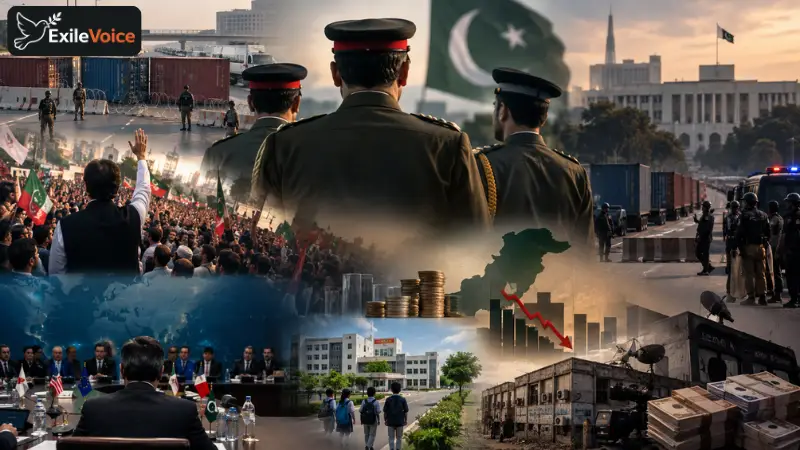
Simultaneously, the political arena remains intensely polarized, marked by preemptive security measures, containment strategies, and friction between state authorities and opposition movements. Measures such as infrastructural roadblocks, container placements along transit routes, and restrictions on political displays illustrate the administration's defensive posture against potential public mobilizations. These friction points extend beyond mere crowd control, affecting broader administrative functions, including the cancellation of scheduled international security dialogues due to prevailing domestic tensions.
Furthermore, economic disparities in provincial resource allocation have drawn scrutiny. Budgetary allocations reveal stark contrasts between funding dedicated to essential public services, such as social development and legal prosecution, versus expenditures directed toward administrative publicity and information departments. This growing dissonance between state priorities and public welfare underlines the ongoing structural challenges facing governance and institutional accountability in the country.