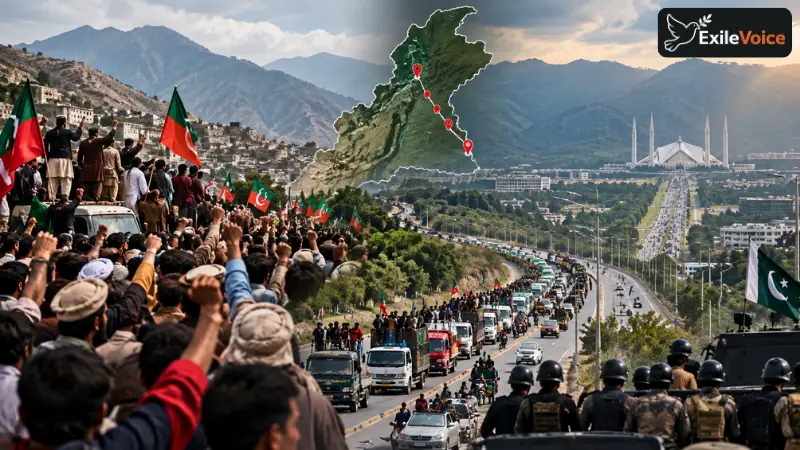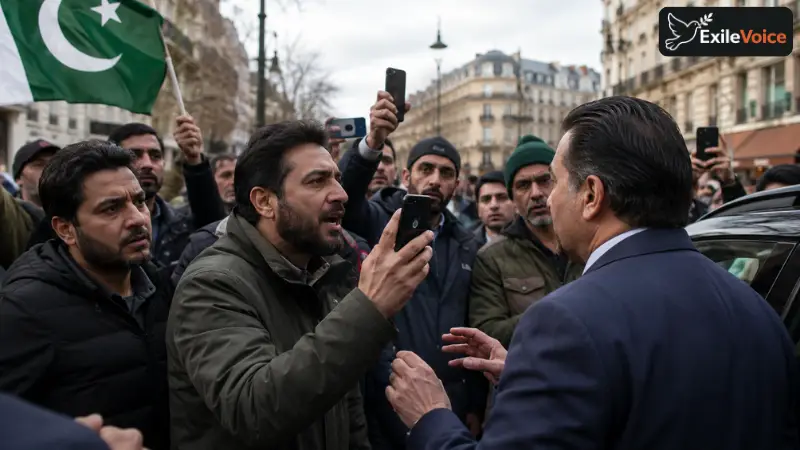
The role of the overseas Pakistani diaspora in national politics has evolved significantly over recent decades. Communities residing abroad, particularly in the United Kingdom and North America, have become vocal stakeholders in the political landscape of Pakistan. This engagement manifests through digital advocacy, grassroots mobilization, and public accountability initiatives that target political figures and associates traveling or residing overseas. Recent incidents involving public confrontations or inquiries directed at individuals linked to controversial political actors highlight a growing trend where expatriates demand transparency and ethical accountability beyond national borders.
Political commentators frequently analyze these grassroots confrontations as a reflection of deep polarization within the broader electorate. Expatriates often feel disconnected from formal domestic accountability mechanisms, leading them to adopt direct public engagement strategies. While supporters view these actions as a legitimate exercise of free speech and a demand for moral integrity, critics caution against public harassment and the potential escalation of interpersonal conflicts in foreign jurisdictions. Understanding this dynamic requires examining how digital media platforms amplify real-time reporting, transforming localized street-level encounters into viral political events that influence public opinion back home.
Furthermore, these developments underscore the changing nature of transnational politics in the digital age. Social media networks enable instantaneous sharing of leaked videos and commentary, allowing political narratives to transcend geographic boundaries within minutes. For political analysts and institutional observers, monitoring diaspora behavior provides critical insights into the intensity of public sentiment and the global dimensions of domestic political disputes. As expatriate communities continue to assert their influence, policymakers and political parties must navigate a new reality where accountability demands come not only from local constituents but from a globally dispersed diaspora.