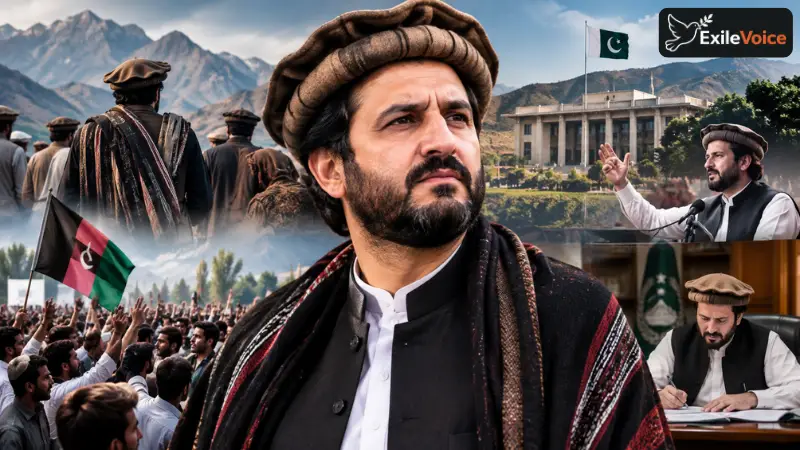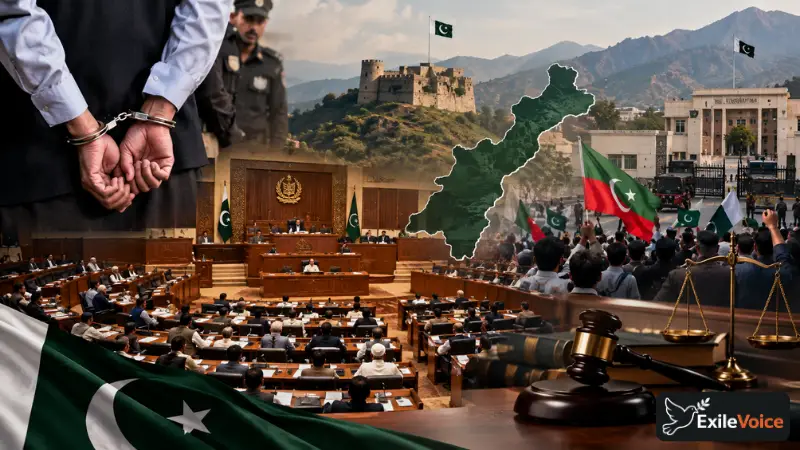
The modern political landscape is increasingly shaped by complex interactions between state leadership, institutional governance, and public movements. As political actors navigate shifting alliances, observers must evaluate the structural and strategic motivations governing state affairs. Recent public discourse often centers on whether institutional forces and political opposition groups operate independently or through coordinated, strategic alignment. Understanding these dynamics requires a comprehensive look at how political narratives are constructed, disseminated, and received by the public.
In many developing political ecosystems, leadership accountability and transparency remain central themes of public debate. Political commentators frequently scrutinize the decisions made by high-profile figures and military or bureaucratic establishments. These analyses often explore the underlying causes of friction between ruling coalitions and opposition movements. By examining public speeches, open letters, and political commentary, analysts can map out the competing interests that influence policy decisions and public demonstrations.
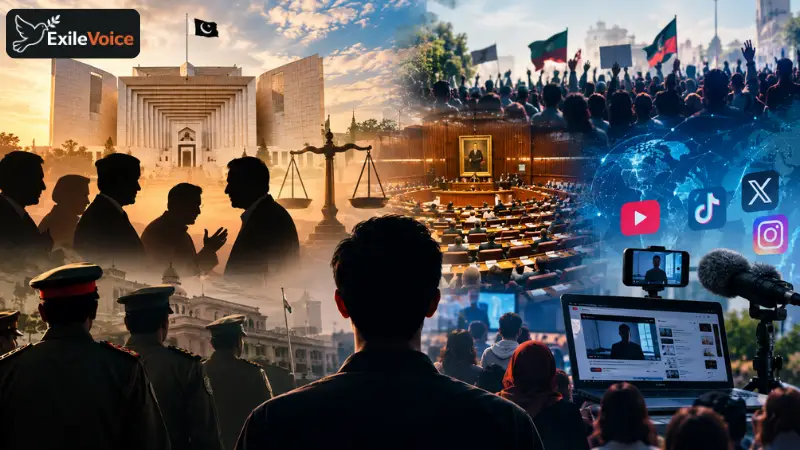
Furthermore, the role of digital media and independent vlogs has transformed how political commentary reaches audiences. Independent analysts and commentators provide alternative perspectives that often challenge mainstream narratives. This democratization of information empowers citizens to engage deeply with political discourse, yet it also introduces challenges regarding misinformation and polarized viewpoints. Stakeholders across the political spectrum must therefore prioritize factual accuracy, robust institutional checks and balances, and constructive dialogue to foster long-term political stability and democratic resilience.