
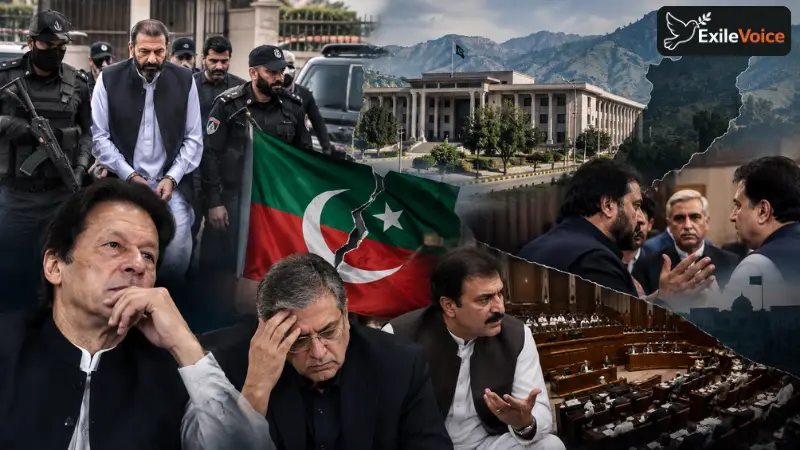
The political landscape of Khyber Pakhtunkhwa has entered a turbulent phase following the imposition of emergency and governor rule, marking a sharp escalation in state actions against opposition figures. Notable leaders and lawmakers, including MNA Iqbal Afridi and his son Irfan Afridi, have been subjected to detentions during raids on their residences. These developments have raised serious concerns regarding the sanctity of privacy and domestic boundaries in the region, a traditional red line that local political analysts note is increasingly being crossed.
The political fallout extends deeply into the internal hierarchy of Pakistan Tehreek-e-Insaf (PTI). Senior figures within the party have highlighted divisions over strategic planning, accountability, and the handling of widespread political pressure. The resignation of Additional General Secretary Firdous Shamim Naqvi has further complicated administrative and legal functioning within the party structure, highlighting the deep friction between regional lawmakers, central leadership figures, and overarching state policies. Analysts suggest that these internal rifts severely impair the party's ability to mount a unified front against ongoing executive and administrative pressures.
Furthermore, political commentators and senior politicians from rival or allied platforms have weighed in on the longevity of the current administrative setup. Assessments range from prolonged suspension of provincial governance to tactical maneuvers by federal stakeholders aimed at shifting the political narrative. As state authorities continue targeting provincial residences, ministers' properties, and local leadership networks, the overarching political discourse remains dominated by questions surrounding constitutional governance, legislative representation, and the future of opposition politics in Pakistan.