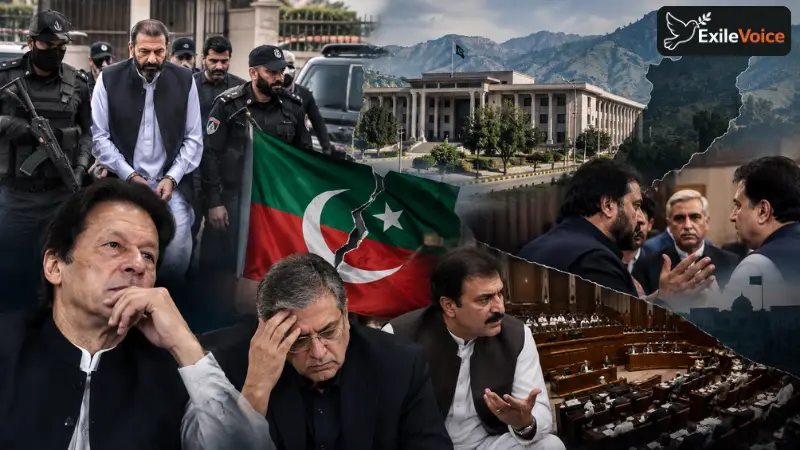

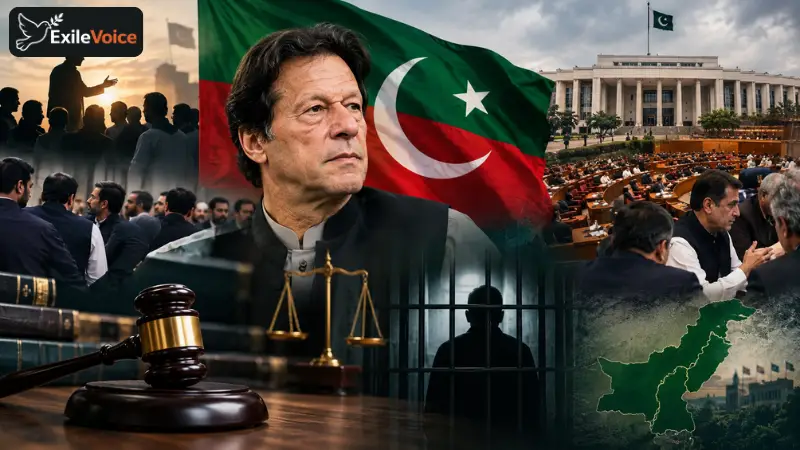
The political landscape surrounding Pakistan Tehreek-e-Insaf continues to experience internal realignments, legal battles, and shifting parliamentary strategies. Recent events highlight a growing divergence between core political committees and parliamentary groups, leading to debates over representation, leadership roles, and negotiation strategies with state authorities. As key political figures navigate detention orders, judicial proceedings, and party restructuring, the institutional cohesion of the party faces continuous stress.
Legal challenges involving prominent party members and leadership families have remained at the forefront of public discourse. Court proceedings regarding detentions, administrative orders, and freedom of movement underscore the broader legal battles being fought across various judicial forums. These developments not only affect individual liberty but also shape the strategic decisions taken by party leadership and parliamentary representatives.
Furthermore, discussions concerning potential legislative adjustments, provincial governance structures, and future electoral strategies have intensified. Observers note that internal committees are grappling with the challenge of maintaining a unified front amidst external pressures and changing political equations. The role of regional leaders, parliamentary representatives, and central decision-making bodies will be crucial in determining the party's trajectory moving forward.
As political actors position themselves for future negotiations and institutional interactions, the ability to resolve internal differences and present a coherent strategy remains paramount. The ongoing developments within the party reflect the broader complexities of Pakistan's political environment, where legal, administrative, and partisan factors continually intersect.