
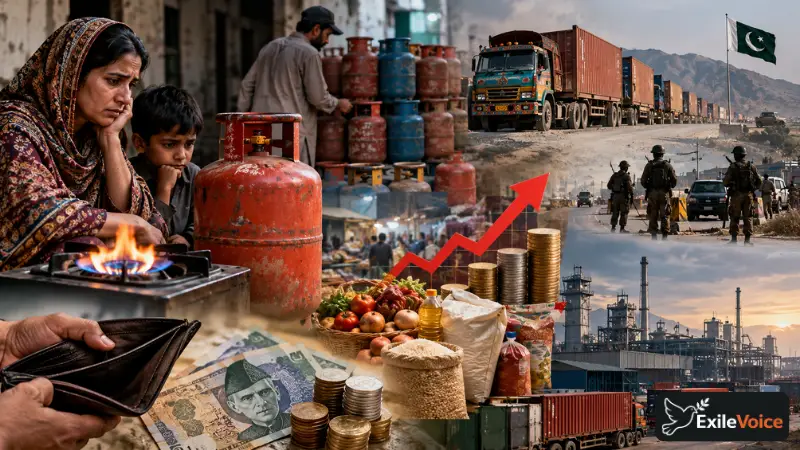
Ordinary citizens across Pakistan continue to face severe economic hardships, driven by soaring inflation, utility price hikes, and critical shortages of essential commodities. Among the most pressing concerns is the deepening crisis surrounding Liquefied Petroleum Gas, which has witnessed dramatic price surges far exceeding official regulatory rates. This escalation has severely impacted household budgets, making basic cooking and heating necessities increasingly unaffordable for large segments of the population.
The economic strain extends beyond household utilities to encompass broader market distortions, where consumers struggle with the rising cost of staple goods and basic services. Despite administrative interventions and policy adjustments by various governmental bodies, the disparity between official pricing and actual market realities persists. This situation places immense pressure on lower- and middle-income households, compounding the challenges of daily subsistence.
In tandem with economic pressures, regional security incidents and supply chain disruptions continue to affect commercial and industrial sectors. Incidents involving disruptions to commercial transport, industrial supply chains, and local workforce security highlight the multifaceted crisis facing the country. Addressing these systemic issues requires comprehensive economic reforms, transparent market regulation, and targeted relief measures to protect vulnerable populations.
As public dissatisfaction grows over the cost of living and resource accessibility, the pressure on policymakers to deliver effective economic governance has never been higher. Sustainable solutions are urgently needed to stabilize commodity prices, ensure reliable energy supplies, and alleviate the socio-economic burdens weighing heavily on the citizenry.